
Why Blueberries Deserve Recognition as the Ultimate Cocktail Ingredient
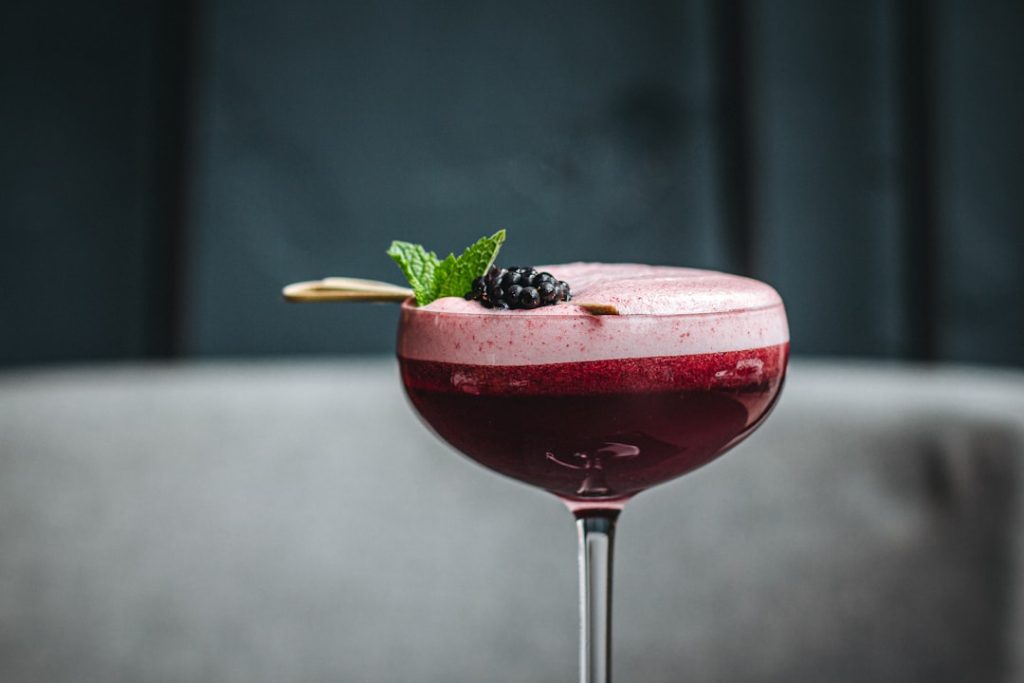
Let me be clear about something: while many bartenders reach for strawberries or citrus fruits, I believe blueberries represent the most underutilized powerhouse in cocktail crafting. These small but mighty berries bring a complexity that’s frankly wasted on most home bartenders who don’t understand their potential.
What makes blueberries exceptional in mixed drinks isn’t just their natural sweetness—it’s their ability to provide both tartness and depth without overwhelming other ingredients. Unlike overly sweet fruits that can make cocktails cloying, blueberries offer a sophisticated balance that appeals to serious cocktail enthusiasts.
The Blueberry Advantage in Mixology
Here’s what I think separates blueberries from other cocktail fruits: they muddle beautifully without turning into mush, they complement both light and dark spirits, and their color creates visually stunning drinks that photograph well for social media—something that matters more than purists want to admit.
For bartenders working in upscale establishments, blueberry cocktails represent an opportunity to showcase technical skill. The fruit requires proper handling to extract maximum flavor without bitterness from the skins. This isn’t for amateur home mixologists who just want to throw ingredients together.
Nine Essential Blueberry Cocktail Variations
The Blueberry Bourbon Smash demonstrates why this fruit pairs exceptionally with whiskey. The berry’s natural acidity cuts through bourbon’s richness while adding complexity that simple syrup never could. This works for bourbon enthusiasts but might intimidate casual drinkers.

A Blueberry Gin Fizz showcases the fruit’s versatility with lighter spirits. The botanical notes in quality gin enhance the berry’s subtle floral qualities, creating a drink that’s sophisticated without being pretentious. Perfect for gin lovers, less appealing to vodka drinkers.
The Blueberry Mojito takes the classic Cuban cocktail and elevates it beyond the typical mint-lime combination. However, I believe this only works with fresh blueberries—frozen ones create a watery mess that ruins the drink’s integrity.
Blueberry Moscow Mule variations bring fruit complexity to the copper mug classic. The ginger beer’s spice complements blueberry’s sweetness perfectly, though this combination won’t appeal to traditionalists who prefer their mules unadorned.
A Blueberry Margarita transforms the tequila standard into something more nuanced. The berry’s acidity works with lime juice rather than competing against it, creating layers of flavor that impress cocktail aficionados while remaining accessible to casual drinkers.
The Blueberry Bellini elevates brunch cocktails beyond basic peach preparations. Using quality prosecco is non-negotiable here—cheap sparkling wine will make the berries taste artificial and defeat the entire purpose.

Blueberry Sangria works particularly well for entertaining groups, as the fruit holds up better than delicate berries during extended steeping. This is ideal for hosts who want impressive presentation without constant preparation.
A Blueberry Whiskey Sour adds fruit complexity to the classic template while maintaining the drink’s essential character. The egg white foam creates beautiful contrast with the berry’s deep purple color, making this a showstopper for serious cocktail enthusiasts.
Finally, the Blueberry Lemon Drop balances the berry’s sweetness against citrus tartness in a way that’s both refreshing and sophisticated. This appeals to vodka drinkers who want something more interesting than basic flavored spirits.
Who Should Embrace Blueberry Cocktails
These drinks work best for people who appreciate nuanced flavors and aren’t afraid of ingredients that require some technique to handle properly. If you’re someone who thinks all cocktails should taste like candy, blueberry drinks probably aren’t for you—they offer complexity that requires a developed palate to fully appreciate.
Restaurant and bar managers should consider adding blueberry cocktails to their menus, especially during summer months when fresh berries are available. The visual appeal alone justifies the slightly higher ingredient costs, and the drinks photograph beautifully for social media marketing.
However, these cocktails aren’t suitable for high-volume establishments where speed matters more than craftsmanship. Properly muddling blueberries takes time, and cutting corners results in mediocre drinks that don’t showcase the fruit’s potential.
Ultimately, blueberries deserve recognition as premium cocktail ingredients, not just garnishes. They offer complexity, visual appeal, and versatility that surpasses more commonly used fruits—but only when handled with the respect and technique they deserve.
Photo by Nikita Tikhomirov on Unsplash
Photo by Chinh Le Duc on Unsplash
Photo by Sara Cervera on Unsplash