
The Hair Restoration Revolution: Modern Men Embrace Surgical Solutions for Baldness
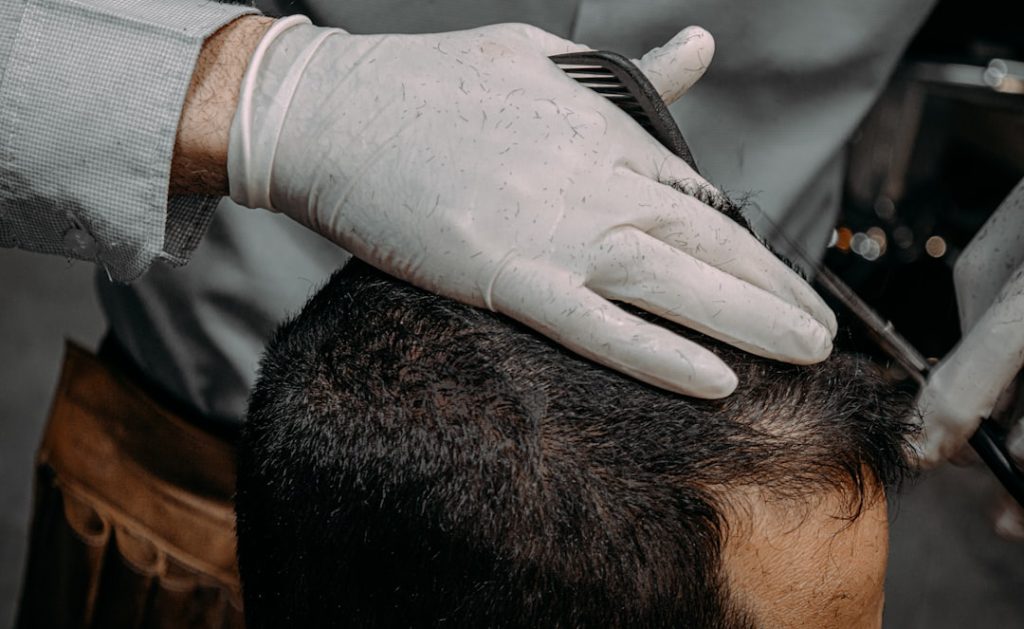
The stigma surrounding male hair loss treatments has dramatically shifted in recent years, and I believe this transformation represents one of the most significant changes in men’s grooming culture. What was once whispered about in hushed tones has become a mainstream conversation, with surgical hair restoration leading the charge.
From my perspective, this shift reflects a broader cultural acceptance of cosmetic procedures for men. The days when hair transplants were considered vanity projects for the wealthy are long gone. Today’s procedures offer natural-looking results that make the investment worthwhile for many professionals who view their appearance as crucial to their career success.
Who Benefits Most from Hair Restoration Surgery
I think hair transplants work exceptionally well for men in their thirties and forties who are experiencing pattern baldness but still have sufficient donor hair on the back and sides of their scalp. These candidates typically see the most dramatic and satisfying results because they have realistic expectations and adequate hair density for transplantation.
Business executives, sales professionals, and anyone in public-facing roles often find these procedures particularly valuable. The confidence boost alone can justify the expense, especially when you consider that many people spend decades trying ineffective topical treatments that cost hundreds of dollars annually.

However, I must emphasize that younger men in their early twenties should proceed with extreme caution. Hair loss patterns aren’t fully established at that age, and premature surgical intervention can lead to unnatural-looking results as balding progresses around the transplanted areas.
The Technology Behind Modern Results
What impresses me most about contemporary hair restoration is the technological advancement in extraction and implantation techniques. Follicular Unit Extraction (FUE) has revolutionized the field by eliminating the linear scarring associated with older strip harvesting methods.
The precision of modern procedures means surgeons can create hairlines that look completely natural, mimicking the irregular patterns found in nature rather than the obvious “pluggy” appearance of earlier transplant methods. This technological leap has been crucial in reducing the social stigma associated with hair restoration.
Realistic Expectations and Limitations
While I’m optimistic about the field’s progress, potential patients need to understand the limitations. Hair transplants redistribute existing hair rather than creating new follicles, which means men with extensive baldness may not achieve the density they desire in a single procedure.

Multiple sessions are often necessary for optimal results, and the total cost can easily reach five figures when accounting for follow-up procedures and maintenance treatments. This financial reality makes hair restoration primarily accessible to middle and upper-middle-class professionals.
The Social Impact of Appearance Investment
I believe the growing acceptance of male hair restoration reflects society’s increasing recognition that appearance affects professional and personal opportunities. While this reality may seem superficial, ignoring it doesn’t make it disappear.
Men who feel self-conscious about their hair loss often experience decreased confidence in professional settings, dating scenarios, and social interactions. For these individuals, hair restoration can provide psychological benefits that extend far beyond mere aesthetics.
However, I also think it’s important to acknowledge that not everyone needs or should pursue surgical hair restoration. Men who are comfortable with their baldness, whether they choose to embrace it naturally or opt for a clean-shaven look, shouldn’t feel pressured to conform to societal expectations about hair.
Future Considerations
The hair restoration industry continues evolving with promising developments in stem cell therapy and hair cloning research. While these technologies remain experimental, they suggest that future treatments may offer even more effective solutions for male pattern baldness.
For now, I recommend that men considering hair restoration thoroughly research qualified surgeons, understand the financial commitment involved, and have realistic expectations about results. The decision should ultimately be about personal satisfaction rather than external pressure to maintain a youthful appearance.
Photo by Amr Taha™ on Unsplash
Photo by Erik Mclean on Unsplash