
The Evolution of Summer Fragrances: Beyond Sweet Florals to Complex Sensory Experiences
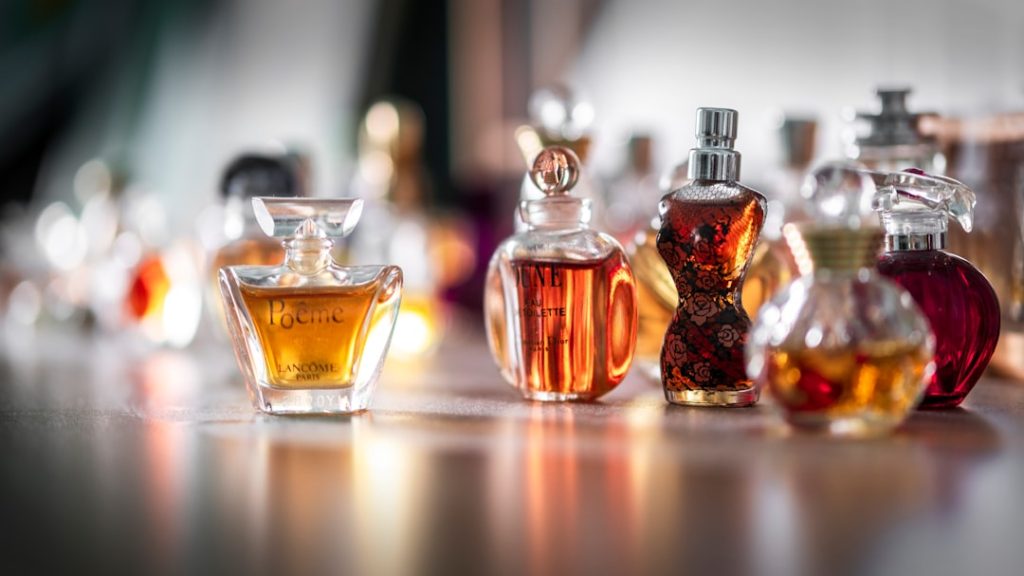
The fragrance landscape is experiencing a fascinating transformation this summer, moving away from predictable sweet florals toward more sophisticated and emotionally resonant scent profiles. What I find particularly compelling about this shift is how it reflects our collective desire for authentic experiences over artificial pleasantries.
Industry experts are noting a significant departure from traditional “fresh” summer scents. Instead, consumers are gravitating toward fragrances that evoke specific moods and memories. This trend makes perfect sense to me – after years of digital overwhelm, people crave sensory experiences that feel genuine and transportive.
The emerging fragrance categories tell an interesting story about what we value in our scent wardrobes today. Mineral-based fragrances that capture oceanic elements are gaining serious traction, offering wearers that coveted “sun-kissed skin after a beach day” sensation. I believe this trend particularly appeals to urban dwellers who want to carry a piece of nature with them, even when stuck in concrete jungles.
Tea Notes: The Unexpected Summer Hero
One of the most intriguing developments is the rise of tea-inspired fragrances. Matcha, chamomile, and Earl Grey notes are appearing in summer collections, which initially might seem counterintuitive. However, I think this makes brilliant sense – tea notes provide a sophisticated, calming foundation that prevents fruity fragrances from becoming cloying or juvenile.
This trend will particularly resonate with professionals who want something office-appropriate yet seasonally relevant. The wellness connection here is undeniable, tapping into our cultural obsession with mindfulness and ritual. For fragrance newcomers, tea-based scents offer an accessible entry point that feels familiar yet elevated.

Sophisticated Fruit Compositions
The evolution of fruit fragrances represents perhaps the most significant shift in summer scenting. While tropical notes like mango, pineapple, and passionfruit remain popular, formulators are now adding complexity through unexpected spice elements – pink pepper, cardamom, and ginger.
This development excites me because it addresses a longtime criticism of fruit fragrances: their tendency toward one-dimensional sweetness. The addition of warming spices creates depth that makes these scents suitable for evening wear and cooler weather, extending their versatility significantly. This approach will appeal most to fragrance enthusiasts who love gourmand notes but want something more sophisticated than typical dessert-inspired offerings.
The Skin Scent Phenomenon
The “skin scent” category deserves special attention because it represents a fundamental shift in how we think about fragrance. These subtle, musky compositions aim to enhance rather than mask your natural scent signature. What’s particularly clever about this trend is its inherent personalization – the same fragrance will smell different on each wearer.
I believe skin scents work best for minimalists who want fragrance to feel like a natural extension of themselves rather than a bold statement. However, those who enjoy making an olfactory impact might find these compositions too understated for their preferences.
Mineral and Marine Inspirations
The surge in mineral-based fragrances speaks to our collective longing for escape and connection to natural elements. These compositions capture the essence of sea spray, wet stones, and sandy beaches – essentially bottling vacation memories.

What I find most appealing about this category is its ability to provide instant mood transformation. A spritz can mentally transport you from a stuffy office to a windswept coastline. This makes mineral fragrances particularly valuable for stress relief and mental reset moments throughout busy days.
However, these scents might not suit everyone. Those who prefer obviously pretty or traditionally feminine fragrances might find mineral notes too stark or unconventional. The earthiness can also feel heavy in extremely humid climates.
Who Benefits Most from These Trends
These evolving summer fragrance trends particularly benefit several groups: fragrance collectors seeking novelty, professionals wanting sophisticated warm-weather options, and anyone interested in wellness-connected beauty products. The complexity of these new formulations also appeals to those who’ve outgrown simple, sweet fragrances but aren’t ready for heavy, traditional perfumes.
Conversely, these trends might not suit fragrance traditionalists who prefer clearly defined categories, those with very conservative workplace environments, or people who simply want their summer scents to smell obviously “summery” without intellectual complexity.
The independent fragrance brands driving these innovations deserve recognition for pushing creative boundaries. Their willingness to experiment with unconventional combinations is reshaping our expectations of what summer fragrances can be, ultimately giving consumers more nuanced options for self-expression through scent.
Photo by Ulysse Pointcheval on Unsplash
Photo by Lera Ginzburg on Unsplash
Photo by Nolan Kent on Unsplash