
Tech Contractor Inequality: The Growing Divide in Layoff Treatment at Major Social Media Companies
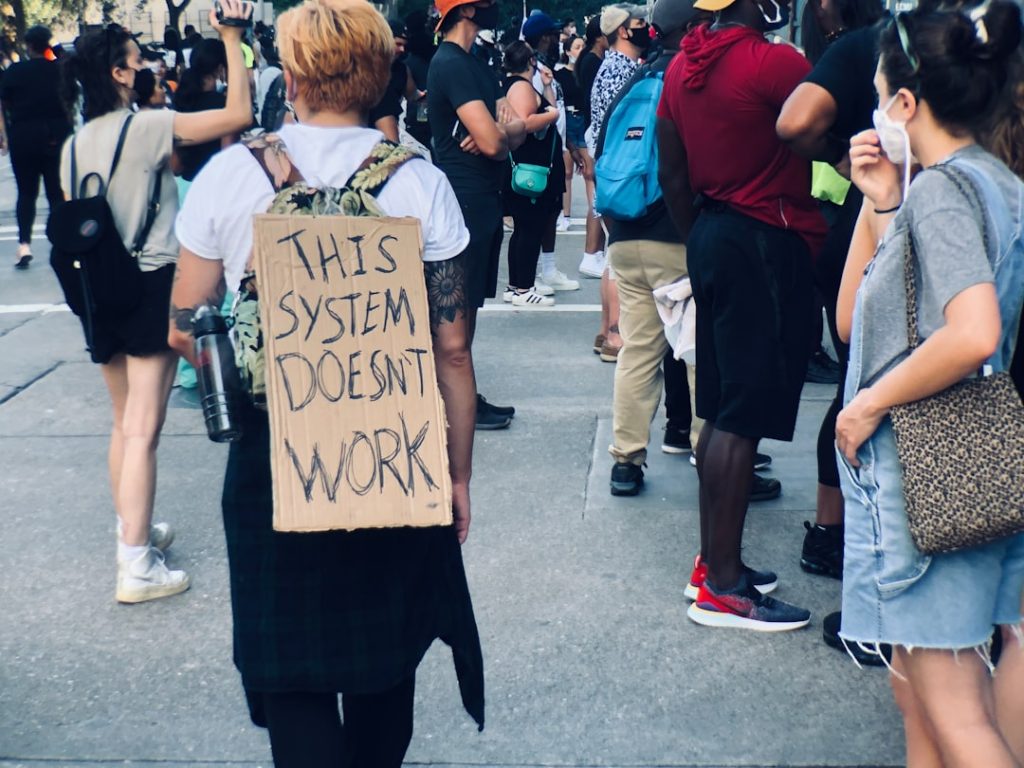
The recent wave of workforce reductions at major technology companies has exposed a troubling disparity that I believe deserves serious attention: the stark difference in how contracted workers and permanent employees are treated during layoffs. This inequality isn’t just unfair—it’s becoming a systemic issue that reveals the true nature of modern tech employment structures.
At one prominent social media giant’s European operations, contracted workers facing termination have voiced frustration over what they describe as receiving minimal compensation compared to their full-time counterparts. While permanent staff members are reportedly receiving substantial severance packages, contractors claim they’re left with far less support during this transition period.
The Reality of Modern Tech Employment
This situation perfectly illustrates what I see as one of the most problematic trends in the technology sector: the creation of a two-tiered workforce system. Companies have increasingly relied on contractors to maintain flexibility while avoiding the long-term commitments that come with permanent employment. However, when economic pressures force layoffs, this strategy reveals its true cost in human terms.

For contractors working in technical roles, marketing, content moderation, or customer support, this disparity feels particularly harsh. These workers often perform the same duties as their permanent colleagues, work the same hours, and contribute equally to company success. Yet when layoffs arrive, they find themselves in a significantly more vulnerable position.
Who This Impacts Most
This issue particularly affects workers in specialized fields who chose contracting for the perceived benefits of higher hourly rates and project variety. Many of these professionals—especially those in their early to mid-career stages—may not have anticipated the severe disadvantages that emerge during economic downturns.
The impact extends beyond individual workers to entire regional economies. European tech hubs, which have attracted significant investment and talent in recent years, now face the challenge of supporting displaced workers who lack the safety net that permanent employees enjoy.

The Broader Implications
What concerns me most about this trend is how it reflects a fundamental shift in corporate responsibility. Companies are essentially externalizing risk by maintaining large contractor workforces while keeping their permanent headcount lean. This strategy allows them to appear more efficient to investors while pushing employment uncertainty onto individual workers.
For job seekers considering opportunities in tech, this situation should serve as a crucial wake-up call. The allure of contractor roles—often marketed as offering greater freedom and higher compensation—must be weighed against the reality of reduced job security and inferior treatment during economic turbulence.
Looking Forward
I believe this disparity in layoff treatment will likely spark broader conversations about employment practices in the tech industry. Regulatory bodies in Europe, known for their worker-friendly policies, may begin examining whether current contractor classification systems adequately protect workers who function essentially as permanent employees.
For contractors currently facing this situation, the experience underscores the importance of building diverse client relationships rather than becoming too dependent on any single company. It also highlights the need for stronger professional networks and emergency financial planning.
This controversy reveals a harsh truth about modern tech employment: despite rhetoric about innovation and progressive workplace culture, many companies still operate with distinctly traditional hierarchies when it comes to worker treatment. The question now is whether public pressure and potential regulatory action will force meaningful change in how these companies structure their workforces and treat all contributors fairly during difficult times.
Photo by Tarun Girish on Unsplash
Photo by Patrick Perkins on Unsplash