
South Korea’s Perfect Match: Football Culture Meets Fried Chicken Tradition
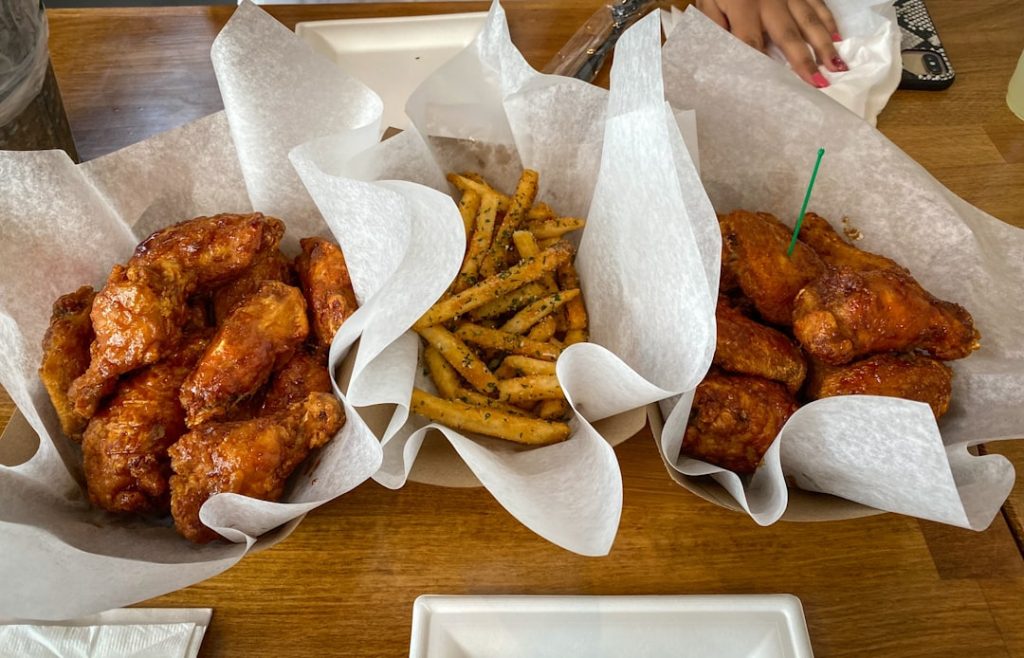
In the heart of South Korean culture lies an unlikely but perfect pairing that has captured the nation’s collective imagination: football matches accompanied by crispy fried chicken and ice-cold beer. This phenomenon, known locally as ‘chimaek’ – a portmanteau of ‘chicken’ and ‘maekju’ (beer) – represents far more than just a snack preference. It’s become a cultural cornerstone that defines how South Koreans experience the beautiful game.
What strikes me most about this tradition is how it transforms football viewing from a passive activity into a communal celebration. Unlike the sterile stadium hot dogs or overpriced nachos common elsewhere, chimaek creates an atmosphere where the food becomes as integral to the experience as the match itself. This isn’t just about sustenance; it’s about creating shared moments that bind communities together.
The Cultural Significance Beyond the Surface
The chimaek phenomenon reveals something profound about South Korean society’s approach to leisure and social bonding. I believe this tradition succeeds because it addresses a fundamental human need: the desire to transform routine activities into memorable experiences. When families and friends gather around television screens or pack into local chicken joints during major tournaments, they’re participating in a ritual that transcends mere entertainment.

This cultural practice particularly resonates with working professionals and students who find themselves caught in South Korea’s notoriously demanding work culture. For these individuals, chimaek nights offer a sanctioned escape – a socially acceptable way to unwind without the pressure of formal dining or expensive entertainment options.
Who Benefits Most From This Tradition
The chimaek culture serves multiple demographics exceptionally well. Young professionals appreciate the affordability and casual nature of the experience, while older generations enjoy the nostalgic elements that remind them of simpler times. Families find it an accessible way to bond without breaking the bank, and international visitors discover an authentic slice of Korean life that guidebooks rarely capture adequately.
However, I’d argue this tradition might not appeal to everyone. Health-conscious individuals may struggle with the inherently indulgent nature of fried chicken and beer consumption. Additionally, those seeking quiet, contemplative football viewing might find the boisterous atmosphere overwhelming rather than enjoyable.

Economic Impact and Business Innovation
From an economic perspective, the chimaek phenomenon has created an entire industry ecosystem. Chicken franchises have adapted their business models around major sporting events, offering special promotions and extended hours during tournament seasons. This symbiotic relationship between sports broadcasting and food service demonstrates how cultural preferences can drive significant commercial innovation.
What impresses me most is how this tradition has influenced urban planning and business development. Neighborhoods now factor in the proximity to quality chicken restaurants when marketing to young renters, and real estate developers consider these establishments essential amenities for residential complexes.
The Global Influence and Future Outlook
The chimaek culture has begun spreading beyond South Korea’s borders, particularly in areas with significant Korean populations. I see this as evidence of the tradition’s authentic appeal – it’s not manufactured marketing but genuine cultural expression that naturally attracts others.
Looking forward, I believe this phenomenon will continue evolving as South Korean culture gains global prominence through entertainment and technology exports. The challenge will be maintaining the authentic, grassroots character that makes chimaek special while adapting to changing dietary preferences and lifestyle trends.
Ultimately, the enduring popularity of chimaek during football matches reflects something essential about human nature: our need for rituals that transform ordinary moments into extraordinary memories. In a world increasingly dominated by digital interactions, this tangible, communal experience offers something irreplaceable that I think many other cultures could learn from.
Photo by Myron Mott on Unsplash
Photo by Bangyu Wang on Unsplash
Photo by Samuel Yongbo Kwon on Unsplash