
Mastering the Dual Wallpaper Technique: A Bold Interior Design Choice
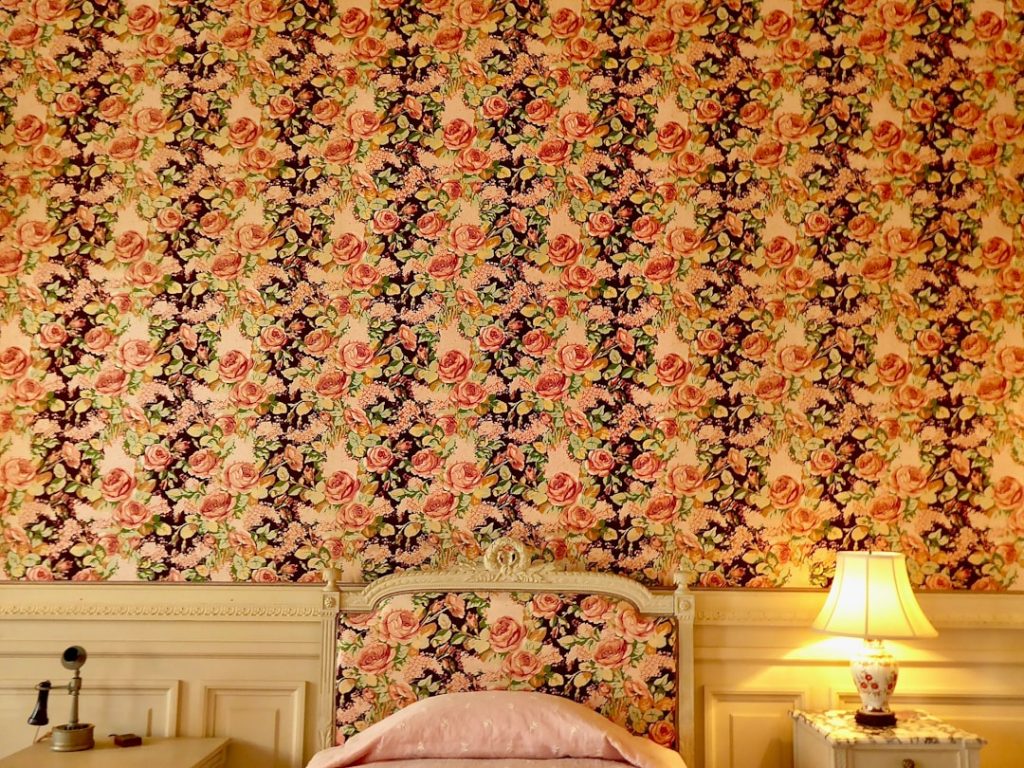
The concept of incorporating two different wallpapers within a single room represents one of the most daring yet rewarding approaches in contemporary interior design. This technique, when executed properly, can transform an ordinary space into a visually captivating environment that showcases sophisticated design sensibilities.
In my opinion, this approach works exceptionally well for homeowners who aren’t afraid to make bold statements with their décor. It’s particularly suited for those with larger rooms where the eye needs multiple focal points to maintain visual interest. However, I believe this technique isn’t for everyone – minimalists and those who prefer understated elegance might find this approach overwhelming.
Strategic Placement and Balance
The key to successfully implementing dual wallpapers lies in understanding visual weight and balance. I’ve observed that the most effective applications involve using one pattern as the dominant element while the second serves as an accent. This creates hierarchy rather than competition between the two designs.

Consider designating one wall as the primary feature – perhaps behind a headboard or dining area – while using the complementary wallpaper in smaller doses, such as within built-in shelving or as wainscoting. This approach benefits homeowners who want to experiment with pattern mixing without creating visual chaos.
Color Coordination Principles
What I find most crucial is maintaining a cohesive color palette between both wallpaper selections. The patterns may differ dramatically, but they should share at least one or two common colors to create unity. This technique works best for individuals who have a natural eye for color relationships or those willing to invest time in careful selection.
For those uncertain about color matching, I recommend starting with wallpapers from the same manufacturer’s collection, as these are typically designed to complement each other. This approach is ideal for cautious decorators who want to achieve the dual wallpaper look with reduced risk.

Scale and Pattern Considerations
The relationship between pattern scales determines the success or failure of this design choice. In my experience, pairing a large-scale pattern with a smaller, more subdued design creates the most pleasing results. This combination allows each wallpaper to shine without competing for attention.
I believe this technique particularly benefits creative professionals, artists, or anyone whose lifestyle embraces bold artistic expression. Conversely, it may not suit individuals in conservative professions who prefer their homes to reflect a more traditional aesthetic.
Room Function and Practicality
The dual wallpaper approach works exceptionally well in spaces where distinct zones exist naturally. Dining rooms with separate seating areas, bedrooms with reading nooks, or home offices with meeting spaces all present ideal opportunities for this technique.
However, I must emphasize that this approach requires commitment. Unlike single wallpaper installations, corrections or changes become more complex and costly. This makes it most suitable for homeowners who are confident in their design choices and unlikely to tire of bold patterns quickly.
What matters most is understanding your personal style tolerance and the room’s architectural features. Those with period homes or spaces with interesting architectural details will find this technique enhances existing character, while modern, minimalist spaces might benefit from more restrained applications.
Photo by Lauren Forando on Unsplash
Photo by Julian Hochgesang on Unsplash