
How Niche Pop Culture References Are Reshaping Contemporary Fashion
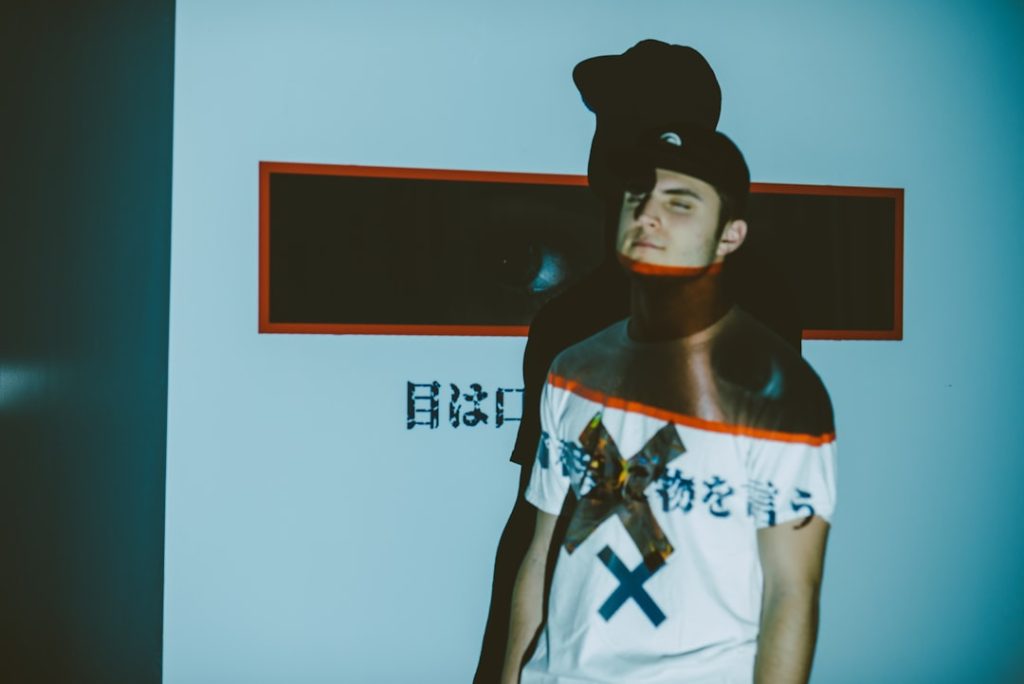
In my opinion, the most fascinating trend in today’s fashion landscape isn’t coming from traditional luxury houses or established streetwear giants—it’s emerging from smaller brands that dare to embrace the weird and wonderful corners of pop culture. This approach represents a fundamental shift in how fashion connects with consumers, and frankly, it’s about time.
Take the Los Angeles-based label that has mastered this formula since 2015. Founded by Kyle Ng alongside Australian artist Ed Davis, this brand has built something remarkable by refusing to fit into conventional categories. What strikes me most about their success is how they’ve managed to create genuine cultural currency by diving deep into subcultures that mainstream fashion typically ignores.
The Power of Authentic Nerdiness
This brand’s genius lies in its willingness to get genuinely nerdy about topics most fashion labels wouldn’t touch. We’re talking about designs inspired by Japanese manga, vintage gaming culture, underground music scenes, and even specialized sports like rock climbing. This isn’t surface-level appropriation—it’s authentic enthusiasm translated into wearable form.

What I find particularly compelling is how this approach creates instant community. When you wear a piece that references something deeply meaningful to a specific subculture, you’re not just wearing clothing—you’re displaying cultural literacy. This resonates powerfully with millennials and Gen Z consumers who value authenticity and shared interests over traditional status symbols.
Who This Strategy Works For (And Who It Doesn’t)
This model is perfect for consumers who feel underserved by mainstream fashion’s generic offerings. If you’re someone whose interests span multiple subcultures—say, you love both vintage horror films and contemporary art—this type of brand speaks directly to you. It’s also ideal for people who want their clothing to spark conversations and connections with like-minded individuals.
However, this approach definitely isn’t for everyone. Traditional luxury consumers who prefer timeless, understated pieces might find these cultural references too specific or ephemeral. Similarly, if you’re looking for wardrobe staples that won’t date quickly, investing in pieces tied to specific cultural moments might not be wise.

The Collaboration Game
The brand’s partnership strategy reveals another layer of sophistication. Recent collaborations with established names like a major American leather goods house and a respected French ready-to-wear label show how niche cultural knowledge can elevate traditional luxury. These partnerships work because they bring fresh perspectives to established brands while giving the smaller label access to superior materials and manufacturing.
What impresses me most is how these collaborations maintain authenticity. Rather than simply slapping logos together, they create genuine fusion—combining the heritage brand’s craftsmanship with the cultural brand’s creative vision. The result feels organic rather than forced.
The Broader Industry Impact
This success story represents something larger happening in fashion. Consumers, particularly younger ones, are increasingly seeking brands that reflect their actual interests and identities rather than aspirational lifestyle fantasies. This shift demands that fashion brands develop genuine cultural fluency—not just trend-following, but deep understanding of subcultures and communities.
For established brands, this presents both opportunity and challenge. Those willing to embrace authentic collaboration and cultural exploration will find new audiences. Those clinging to traditional approaches may find themselves increasingly irrelevant to younger consumers.
The rapid sellouts and cult following this brand has achieved prove that there’s substantial market demand for fashion that takes subcultures seriously. In my view, this represents the future of how successful brands will connect with consumers—through shared passions and authentic cultural engagement rather than generic lifestyle marketing.
Photo by Roman Denisenko on Unsplash
Photo by Deniz Demirci on Unsplash
Photo by Joel Muniz on Unsplash