
Former Banking Executive Faces Congressional Scrutiny Over Controversial Associations
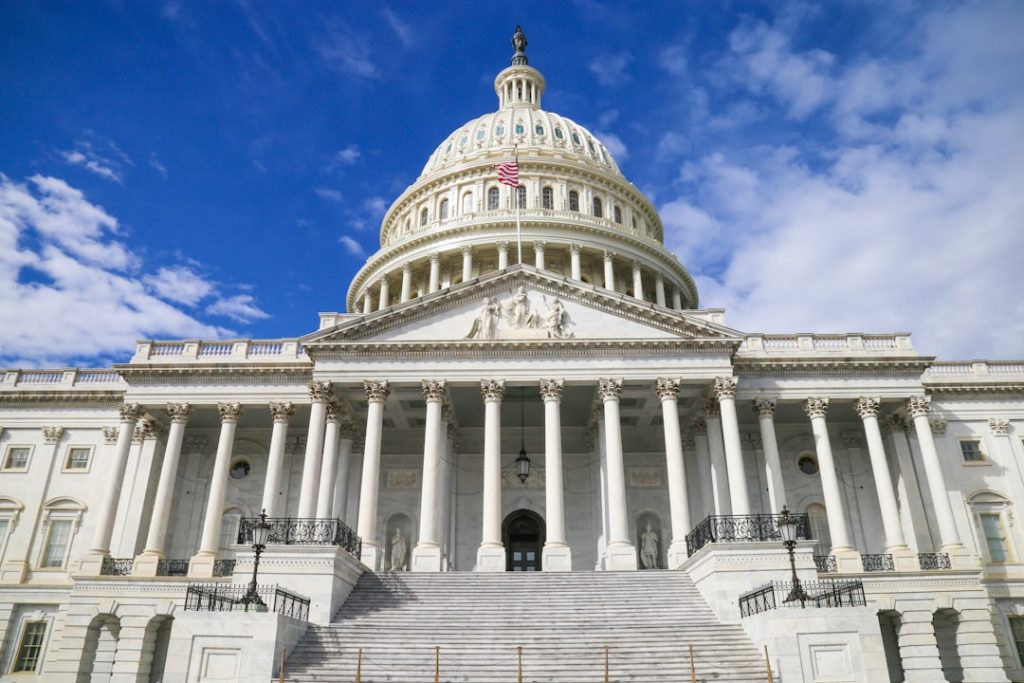
The ongoing congressional investigation into high-profile financial sector connections continues to intensify, with a former major British bank chief executive agreeing to testify before US lawmakers regarding his past relationship with a convicted sex offender.
This development represents a significant moment in what I believe is a long-overdue reckoning for financial institutions and their leadership. The willingness to appear before Congress suggests either confidence in defending past actions or recognition that cooperation is the only viable path forward.
The decision to conduct an in-person interview rather than written testimony is particularly noteworthy. From my perspective, this format allows lawmakers to pursue follow-up questions and gauge credibility in real-time – something that benefits serious investigations but could prove challenging for witnesses with questionable associations.

Implications for Financial Sector Leadership
This case highlights broader questions about due diligence and relationship management at the highest levels of banking. I think this scrutiny is absolutely necessary for several key stakeholders, particularly investors and customers who deserve transparency about their financial institutions’ leadership standards.
For current and aspiring banking executives, this situation serves as a stark reminder that personal associations can have profound professional consequences, even years later. The reputational risk extends beyond individual careers to entire institutions and their stakeholders.
Who Should Pay Attention
This development is most relevant for institutional investors, regulatory bodies, and banking sector professionals who need to understand evolving standards for executive conduct. Compliance officers and risk management teams should particularly take note of how personal relationships factor into broader institutional risk assessments.

However, I believe this story has limited direct impact on everyday banking customers or small investors, unless they hold significant positions in affected financial institutions. The operational aspects of banking services remain largely insulated from these leadership controversies.
Broader Regulatory Context
What matters most here, in my view, is the precedent this sets for accountability in financial services leadership. Congressional oversight of banking executives’ personal conduct represents an expansion of regulatory scrutiny that could reshape how institutions evaluate and monitor their senior leadership.
The timing of this testimony also coincides with broader discussions about corporate governance standards and fiduciary responsibility. I think this convergence creates an environment where financial institutions must be more proactive about vetting and monitoring executive relationships.
For the banking sector as a whole, this case underscores the importance of robust background checks and ongoing monitoring of senior leadership associations. Institutions that haven’t already strengthened these processes should consider doing so, as regulatory and public expectations continue to evolve.
Photo by Louis Velazquez on Unsplash
Photo by Etienne Martin on Unsplash
Photo by Katie Moum on Unsplash