
Essential Foil Packet Cooking: Master the Art of Outdoor Meal Preparation
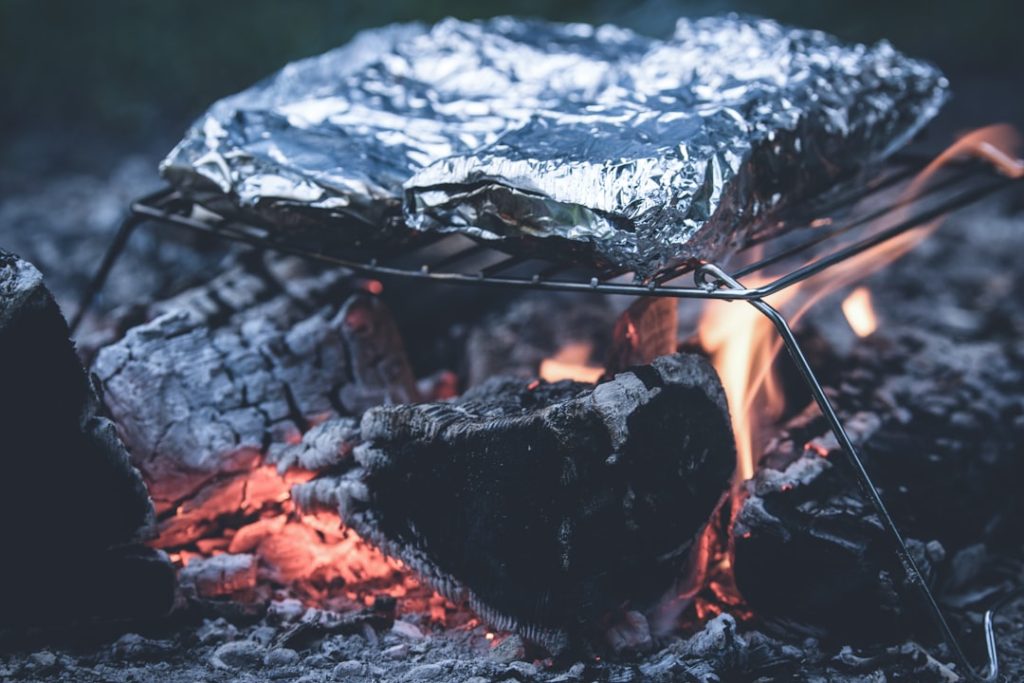
I believe foil packet cooking represents one of the most underrated culinary techniques for outdoor enthusiasts. Having spent countless evenings around campfires and grills, I can confidently say that mastering this method transforms your outdoor cooking game entirely. The beauty lies in its simplicity – yet many people overlook its potential for creating restaurant-quality meals in the wilderness.
Why Foil Packet Cooking Deserves Your Attention
What makes foil packet cooking so compelling is the combination of convenience and flavor enhancement. When you seal ingredients in aluminum foil, you’re essentially creating a personal steam chamber that locks in moisture and intensifies flavors. I think this technique particularly benefits those who want impressive results without extensive outdoor cooking experience.
The method works exceptionally well for busy families, camping novices, and anyone seeking minimal cleanup after outdoor meals. However, I’d argue it’s not ideal for those who prefer crispy, charred textures or want to showcase advanced grilling techniques. The steaming effect of foil packets produces tender, moist results – which some purists might find less appealing than direct flame cooking.
Protein-Focused Foil Combinations
From my experience, seafood performs exceptionally well in foil packets. Fish fillets paired with citrus, herbs, and vegetables create elegant meals that would impress dinner guests. I particularly recommend combining white fish with lemon slices, cherry tomatoes, and fresh dill – the results consistently exceed expectations.

Chicken works beautifully when paired with Mediterranean flavors. I’ve found that chicken thighs (which stay moister than breasts) combined with olives, bell peppers, and oregano create satisfying meals. For those seeking heartier options, seasoned ground beef with potatoes and onions delivers comfort food satisfaction around any campfire.
Vegetarian and Side Dish Options
Vegetarians shouldn’t feel left out of foil packet cooking. Root vegetables like carrots, potatoes, and sweet potatoes develop incredible sweetness when steamed in foil with herbs and olive oil. I believe these vegetable packets often steal the show from meat-based options.
Corn on the cob wrapped with butter and seasonings remains a classic for good reason. The technique also works wonderfully for creating warm salads – try combining pre-cooked pasta with vegetables and cheese for a camping-friendly pasta salad that stays warm.
Essential Techniques for Success
The key to successful foil packet cooking lies in proper sealing and timing. I recommend using heavy-duty aluminum foil and creating tight seals to prevent steam from escaping. Double-wrapping particularly juicy ingredients prevents disappointing leaks.

Timing varies significantly based on ingredients and heat source. Dense vegetables require longer cooking times, while delicate fish cooks quickly. I suggest starting with 15-20 minutes for most combinations, then adjusting based on results.
Who Benefits Most from This Approach
This cooking method particularly suits families with children, since it eliminates many safety concerns associated with open flame cooking. Beginning outdoor cooks gain confidence through the forgiving nature of foil packet meals – they’re difficult to burn and nearly impossible to overcook severely.
However, experienced grill masters might find the technique limiting. Those who enjoy the ritual and skill of direct grilling may prefer traditional methods that allow more control over browning and texture development.
Planning and Preparation Strategies
I strongly recommend preparing foil packets at home when possible. Pre-cutting vegetables, portioning proteins, and even assembling complete packets ahead of time eliminates stress during outdoor cooking. This approach particularly benefits camping trips where preparation space and tools are limited.
Consider your heat source when planning. Campfire cooking requires more attention to coal placement and temperature management, while gas grills offer more consistent results. I’ve found that indirect heat works best for most foil packet combinations.
The versatility of foil packet cooking makes it valuable for various outdoor situations, from backyard gatherings to wilderness camping. While it may not satisfy every culinary preference, the technique offers reliable results with minimal equipment and expertise requirements. For those seeking stress-free outdoor cooking with impressive results, foil packet meals deserve serious consideration in your outdoor cooking repertoire.
Photo by Bridger Tower on Unsplash
Photo by Meghan Schiereck on Unsplash