
Embracing Spontaneous Travel: Why June 2026 Could Be Your Perfect Adventure Month
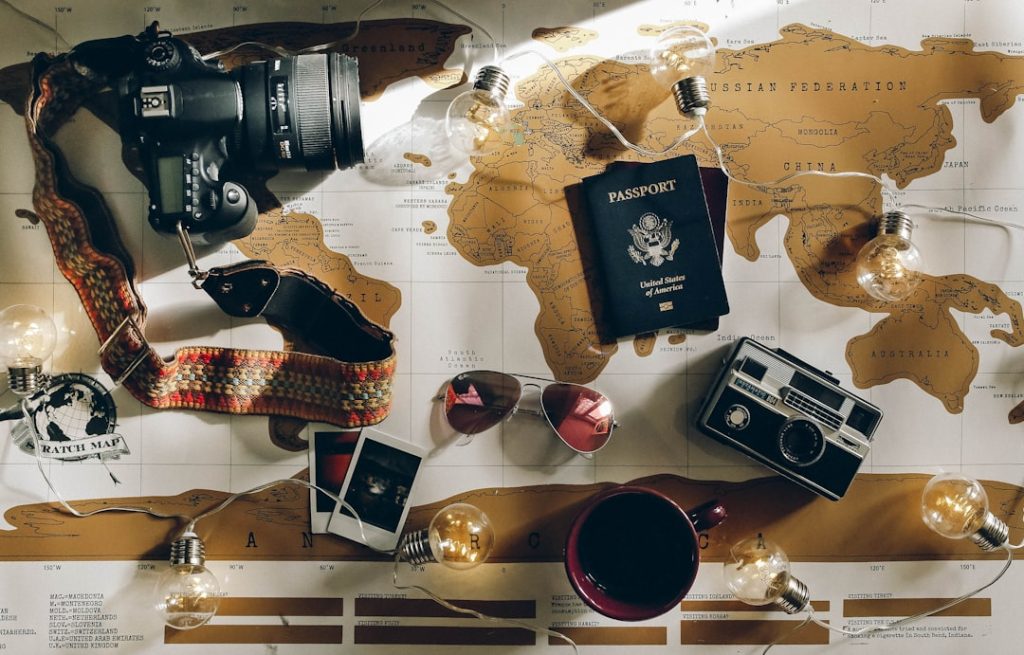
As we approach the summer of 2026, there’s something particularly compelling about the idea of throwing caution to the wind and booking that last-minute getaway. While traditional travel wisdom suggests months of planning and careful budgeting, I believe there’s tremendous value in embracing spontaneity when it comes to travel experiences.
June 2026 presents what could be an ideal window for impromptu adventures. The weather patterns across most destinations will be settling into their summer rhythms, making it easier to pack light and adapt to changing conditions. More importantly, this timing coincides with a post-pandemic travel landscape that has fundamentally shifted how we approach vacation planning.
Who Benefits from Spontaneous Travel
In my experience, spontaneous travel works exceptionally well for certain types of people. Creative professionals often find that unplanned journeys spark innovation and provide the mental reset they desperately need. Young professionals in their twenties and thirties, who typically have fewer family obligations, can capitalize on last-minute deals and flexible schedules.

Remote workers represent another group that stands to gain significantly from this approach. With location independence becoming increasingly common, the ability to work from anywhere transforms spontaneous travel from a luxury into a strategic lifestyle choice.
The Reality Check: Who Should Think Twice
However, I must be honest about the limitations of spontaneous travel. Families with school-age children will find this approach practically impossible during the academic year. Parents managing complex schedules, extracurricular activities, and childcare arrangements simply cannot pivot on short notice without significant stress.
Budget-conscious travelers also need to approach spontaneity carefully. While last-minute deals exist, they’re not guaranteed, and impulsive booking often leads to overspending. Those with strict financial goals might find that planned travel serves them better.

The Sweet Spot of Semi-Spontaneous Planning
What I find most practical is a hybrid approach that I call ‘structured spontaneity.’ This involves setting aside specific windows for potential travel while maintaining flexibility about destinations and exact dates. For June 2026, this might mean blocking out the second or third week of the month while keeping destination options open.
The key is building systems that support spontaneous decisions. This includes maintaining an updated passport, having a go-bag with essentials, and establishing relationships with travel providers who can accommodate last-minute requests.
Making Spontaneous Travel Work
The most successful spontaneous travelers I know share certain characteristics. They’re comfortable with uncertainty, skilled at adapting to changing circumstances, and view unexpected challenges as part of the adventure rather than problems to be solved.
Technology has made spontaneous travel more feasible than ever before. Mobile booking platforms, real-time availability updates, and digital payment systems remove many traditional barriers to last-minute planning. However, the human element remains crucial – knowing when to trust your instincts about a destination or opportunity.
Ultimately, whether June 2026 becomes your month of spontaneous adventure depends entirely on your personal circumstances and risk tolerance. For those positioned to embrace uncertainty, it could represent an opportunity to break free from routine and discover something unexpected about both the world and themselves.
Photo by Charlotte Noelle on Unsplash
Photo by Rana Sawalha on Unsplash
Photo by Annie Spratt on Unsplash