
Digital Horror Phenomenon Transforms Internet Folklore Into Theatrical Experience
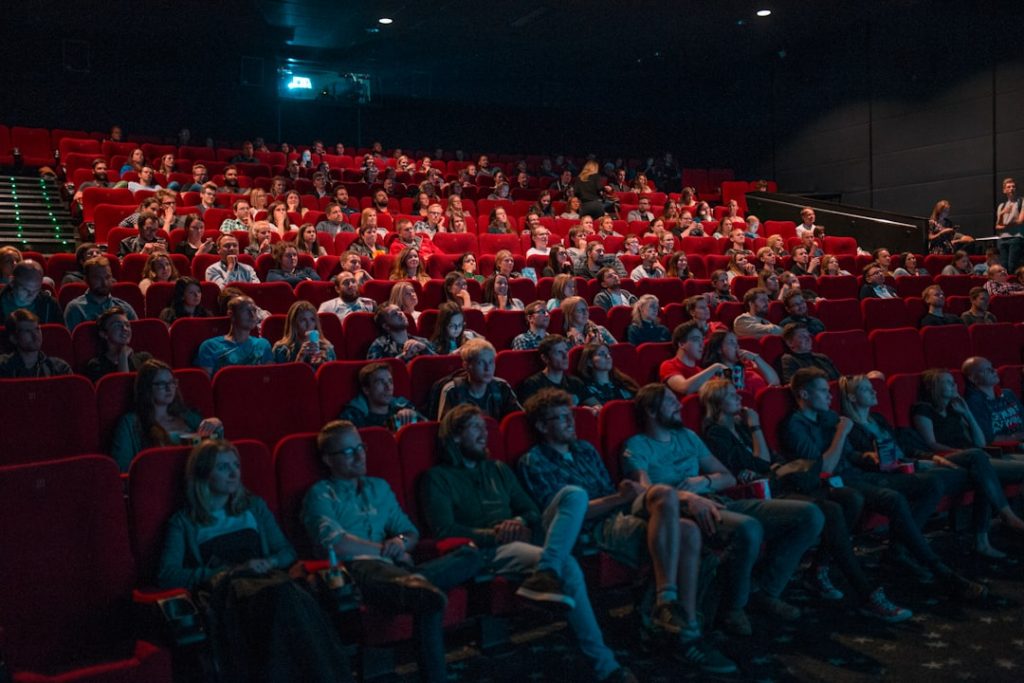
The emergence of ‘Backrooms’ as a theatrical horror experience represents something genuinely fascinating in contemporary cinema – the successful translation of internet-born mythology into traditional filmmaking. What started as anonymous forum posts and user-generated video content has evolved into a sophisticated psychological thriller that’s capturing audiences in ways I find both impressive and slightly concerning.
This film succeeds where many internet-to-cinema adaptations fail because it understands the core appeal of its source material. The concept of endless, monotonous office spaces that trap wanderers in a liminal nightmare taps into very real anxieties about modern life. I think this resonates particularly with younger audiences who’ve grown up in increasingly digital, compartmentalized environments.
Why This Matters for Horror Cinema
What makes this production significant isn’t just its origins, but how it demonstrates the potential for grassroots digital creativity to influence mainstream entertainment. The collaborative nature of internet horror – where anonymous contributors build upon each other’s work – has created something genuinely unsettling that traditional horror studios struggle to replicate.

From my perspective, this represents a crucial shift in how horror content gets developed and distributed. The theatrical-only release strategy, while potentially limiting, forces audiences to experience this communal fear in a shared space rather than alone with their devices.
Who This Appeals To
This film will absolutely captivate viewers who appreciate psychological horror over jump scares. If you’re someone who finds unease in the mundane – empty shopping malls, fluorescent-lit hallways, abandoned office buildings – this will likely disturb you in the best possible way.
However, I suspect traditional horror fans expecting gore or conventional monster elements might leave disappointed. The terror here is existential and atmospheric, requiring patience and imagination from viewers.

The Generational Divide
What’s particularly interesting is how this film serves as a cultural touchstone for digital natives while potentially alienating older audiences unfamiliar with internet folklore. The visual language and pacing reflect online consumption patterns – quick cuts mixed with prolonged tension that mirrors scrolling through endless social media feeds.
I believe this generational specificity is both the film’s greatest strength and its biggest limitation. It speaks directly to anxieties about digital isolation and infinite, meaningless spaces, but these concerns may not translate universally.
The Broader Implications
This production signals something important about the democratization of horror storytelling. When anonymous internet users can create mythology compelling enough to warrant theatrical treatment, it suggests traditional gatekeepers in entertainment are becoming less relevant.
The success of this approach makes me optimistic about more experimental, community-driven content reaching mainstream audiences. However, I’m also wary of studios attempting to manufacture similar phenomena artificially, missing the organic, collaborative spirit that made the original concept compelling.
Ultimately, this film works because it respects its source material while elevating it through professional filmmaking techniques. It’s a rare example of internet culture successfully transitioning to traditional media without losing its essential character – something that benefits both mediums in my opinion.
Photo by Krists Luhaers on Unsplash
Photo by Felix Mooneeram on Unsplash
Photo by Jake Hills on Unsplash