
Break Free from Subscription Fatigue: Top Fitness Trackers That Give You Everything Upfront
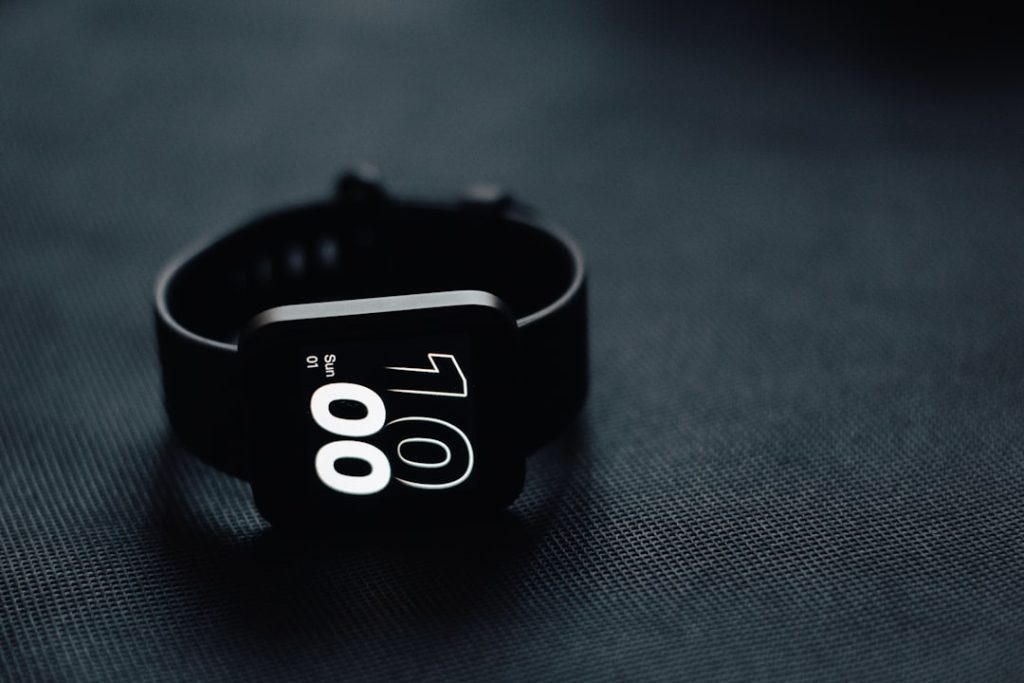
I’m frankly tired of the subscription model infiltrating every corner of the fitness tracking world, and I suspect you are too. The industry has developed an annoying habit of selling you hardware at what seems like a reasonable price, only to hold the most useful features hostage behind monthly payments. It’s a frustrating bait-and-switch that transforms a $300 device into a $600+ investment over just two years.
Take the Oura Ring 5, priced at $399. Sounds reasonable until you discover that accessing your data insights requires an additional $6 monthly fee. Suddenly, your two-year cost balloons to over $550, and if you’re the type who keeps devices for five years, you’re looking at $750 or more. Even more egregious is Whoop’s model, demanding $199 annually just to use their screenless band.
This subscription creep bothers me because fitness tracking shouldn’t require ongoing payments to function properly. Your health data belongs to you, and basic insights shouldn’t be locked behind paywalls. Fortunately, several manufacturers still believe in the radical concept of selling you a complete product for one price.
Google’s Fitbit Air: A Subscription-Free Alternative
Google’s Fitbit Air represents exactly what I want to see more of in this space. At $100, this screenless fitness band delivers core functionality without monthly fees. Only premium features like AI coaching require their $10 monthly Google Health Premium subscription, but that’s genuinely optional rather than essential.
The seven-day battery life falls short of Whoop’s 14-day performance, but the rapid charging compensates well. In my experience, devices that charge quickly from low percentages are often more convenient than those with longer battery life but slower charging speeds.
This device makes sense for Android users who want continuous health monitoring without subscription overhead. iPhone users should note that while it works with iOS, you’ll need Google’s health app and won’t get native Apple Health integration.

Garmin vívosmart 5: The Display Advantage
I appreciate Garmin’s approach with the vívosmart 5 because it bridges the gap between screenless bands and full smartwatches. The narrow OLED display provides just enough information without overwhelming you, and at $150 with zero ongoing costs, it represents excellent value.
Garmin’s Body Battery feature genuinely helps with workout timing, something I find more useful than many competing recovery metrics. The lack of built-in GPS might disappoint serious runners, but for most users, connected GPS through your phone works perfectly fine.
This tracker suits people who want more feedback than screenless options provide but don’t need full smartwatch capabilities. The cross-platform compatibility and health app integration make it particularly appealing for users in mixed-device households.
Samsung Galaxy Ring: Premium Without Penalties
The $400 Samsung Galaxy Ring proves that premium fitness tracking doesn’t require subscription fees. While expensive upfront, it delivers comprehensive sleep and activity monitoring with impressive six-day battery life.
However, I must emphasize its limitations. iPhone users are completely excluded, which seems shortsighted in today’s market. Even Android users miss out on advanced features unless they own Samsung devices specifically. This ecosystem lock-in strategy benefits Samsung but restricts consumer choice.
This ring works best for Samsung device owners who prioritize discretion and don’t mind paying premium prices for subscription-free operation. Everyone else should consider alternatives.

Apple Watch Series 11: The Comprehensive Option
Including a full smartwatch might seem like cheating, but the Apple Watch Series 11 offers extensive health tracking without subscription requirements. The $400 starting price reflects its comprehensive capabilities, from hypertension monitoring to detailed workout tracking.
The 24-hour battery life represents significant improvement over previous generations, though it still requires daily charging. For iOS users already invested in Apple’s ecosystem, this provides the most complete health monitoring experience available without ongoing fees.
This makes sense for iPhone users who want maximum functionality and don’t mind daily charging routines. Android users should obviously look elsewhere.
Xiaomi Smart Band 10: Budget Excellence
At around $50 with no subscription fees, the Xiaomi Smart Band 10 proves that effective fitness tracking doesn’t require premium pricing. The 21-day battery life is genuinely impressive, and basic heart rate and sleep monitoring covers most users’ needs.
The compromises are obvious: no built-in GPS, limited sensors, and questionable sleep tracking accuracy. But for casual fitness enthusiasts who want basic activity monitoring without breaking the bank, these limitations matter less than the exceptional value proposition.
This device suits budget-conscious users who prioritize battery life and basic tracking over advanced health metrics. It’s perfect for people starting their fitness journey who aren’t sure about long-term commitment to wearable technology.
The subscription model epidemic in fitness tracking represents a concerning trend toward extracting ongoing revenue from customers who’ve already purchased hardware. These five alternatives prove that companies can still profit while providing complete products upfront. Choose based on your platform preferences, feature requirements, and budget constraints, but don’t let subscription fatigue force you into ongoing payments for basic health monitoring.
Photo by Indra Projects on Unsplash
Photo by Luke Chesser on Unsplash
Photo by Solen Feyissa on Unsplash