
Asian Tourism Destination Reduces Visa-Free Access for American Travelers
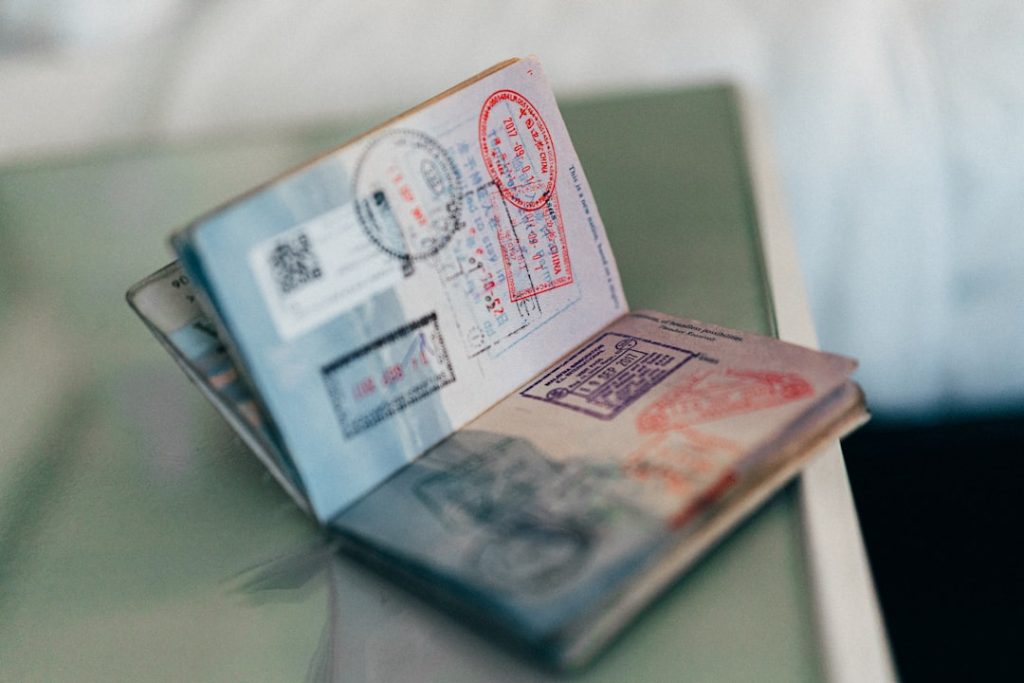
A significant shift in international travel policy is making waves across the tourism industry, as a major Asian destination has announced substantial reductions to visa-free stay periods for United States citizens. This development represents a notable departure from the trend of expanding visa-free access that many countries have pursued in recent years.
The policy change will directly impact American tourists who have grown accustomed to extended visa-free visits to this popular destination. What was once a generous allowance for extended stays has been curtailed, forcing travelers to reconsider their vacation planning strategies and potentially seek alternative destinations.

In my view, this move signals a broader recalibration of tourism policies across Asia, where countries are becoming more selective about managing visitor flows. For frequent American travelers who rely on extended visa-free periods for business or leisure, this change is particularly problematic. It adds bureaucratic hurdles and additional costs that could make other destinations more attractive.
The implications extend beyond individual travelers to the broader tourism ecosystem. Tour operators, travel agencies, and hospitality businesses that have built their models around extended American visits will need to adapt quickly. This is especially relevant for digital nomads and remote workers who have increasingly relied on generous visa policies to establish temporary bases in Asian countries.

However, this development isn’t necessarily negative for all stakeholders. Countries implementing stricter visa requirements often do so to better manage tourism infrastructure, reduce overcrowding at popular sites, and ensure more sustainable visitor patterns. For destinations struggling with overtourism, reducing easy access can help preserve local culture and environment.
American business travelers will likely feel the most immediate impact, as they’ll need to factor in additional visa processing time and costs for trips that previously required minimal planning. Leisure travelers, particularly those planning shorter stays, may find the new requirements less burdensome, though the added complexity remains an inconvenience.
This policy shift reflects a growing trend where countries are reassessing their visa strategies in the post-pandemic era. Nations are balancing economic benefits from tourism against concerns about security, infrastructure capacity, and sustainable development. For American travelers, this means the era of assuming easy access to international destinations may be coming to an end.
The tourism industry should prepare for more such changes as countries worldwide reevaluate their visa policies. Travelers who previously enjoyed seamless international mobility will need to become more strategic about destination planning and visa requirements.
Photo by Kit (formerly ConvertKit) on Unsplash
Photo by Nicole Geri on Unsplash