
Indonesia’s Commodity Export Centralization Creates Market Turbulence for Global Traders
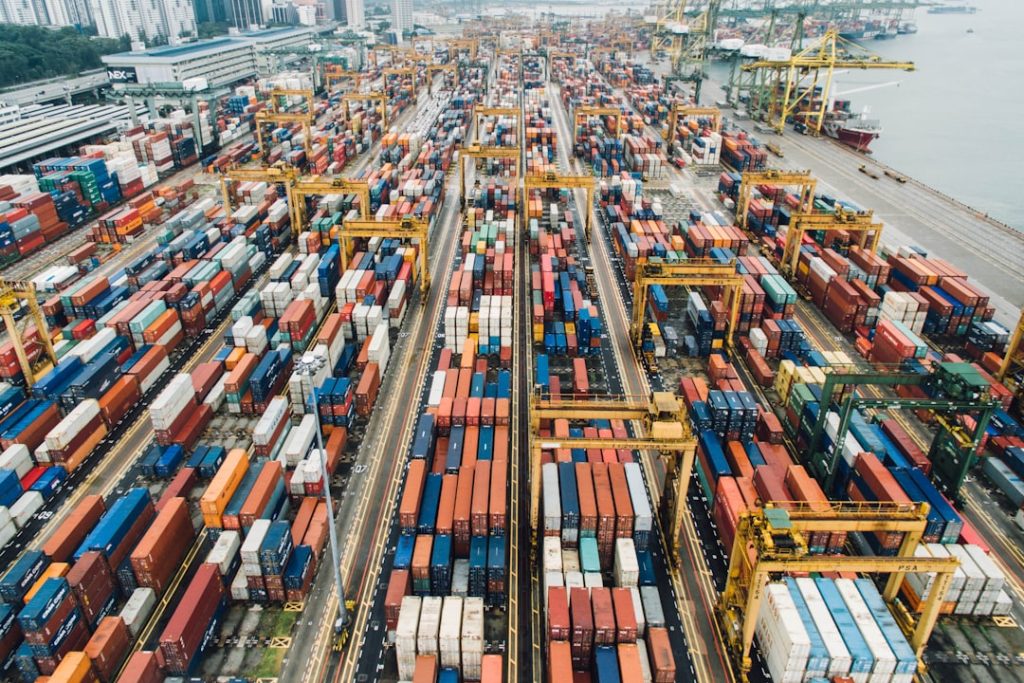
Indonesia’s decision to consolidate commodity exports under centralized government control beginning this summer represents a bold but potentially disruptive shift that could reshape global supply chains. While the Southeast Asian nation positions this as a strategic move to maximize revenue from its abundant natural resources, I believe this policy creates more problems than it solves for international markets.
The new regulatory framework, set to take effect on June 1st, fundamentally alters how Indonesia’s vast mineral and agricultural wealth reaches global markets. This isn’t just a bureaucratic shuffle – it’s a complete reimagining of export procedures that will force companies to navigate an entirely new system overnight.
Who Benefits From This Centralization?
In my view, this policy primarily serves Indonesia’s domestic political objectives rather than genuine economic efficiency. The government clearly aims to capture more value from commodity exports and exert greater control over pricing mechanisms. State-owned enterprises and politically connected local firms will likely emerge as the biggest winners, gaining preferential access to export licenses and quotas.

Small-scale miners and agricultural producers, however, face an uncertain future. These operators, who have historically relied on established trading relationships and flexible export arrangements, now must work through centralized channels that may not understand or accommodate their specific needs.
Global Supply Chain Implications
International commodity traders and manufacturing companies should be particularly concerned about this development. The centralization creates a single point of failure in supply chains that have traditionally relied on multiple sources and pathways. What happens when bureaucratic delays or political considerations interfere with shipment schedules?
I think multinational corporations heavily dependent on Indonesian raw materials – particularly in electronics, steel production, and food processing – need to immediately begin diversifying their supplier base. Relying too heavily on a single country with increasingly centralized export controls represents an unacceptable risk to business continuity.

Market Volatility Ahead
The timing of this policy shift couldn’t be worse for global markets already grappling with supply chain disruptions and inflationary pressures. Commodity prices will likely experience increased volatility as traders attempt to anticipate how centralized controls will affect availability and pricing.
Smaller trading firms that lack the resources to navigate complex government bureaucracies will find themselves at a significant disadvantage. Meanwhile, large multinational trading houses with established government relationships may actually benefit from reduced competition.
Long-term Strategic Concerns
While Indonesia has every right to maximize returns from its natural resources, this centralization approach strikes me as short-sighted. Countries that create unpredictable regulatory environments often find themselves excluded from long-term investment planning by international companies.
The policy also raises questions about Indonesia’s commitment to free trade principles and regional economic integration. Other Southeast Asian nations may view this as a concerning precedent that could undermine broader regional cooperation efforts.
Ultimately, this centralization experiment will likely create winners and losers in ways the Indonesian government hasn’t fully anticipated. The real test will be whether the promised benefits of increased government control outweigh the inevitable costs of reduced market flexibility and increased bureaucratic friction.
Photo by CHUTTERSNAP on Unsplash
Photo by Wolfgang Weiser on Unsplash