
Kyoto’s Premier Accommodations: Where Traditional Charm Meets Modern Luxury
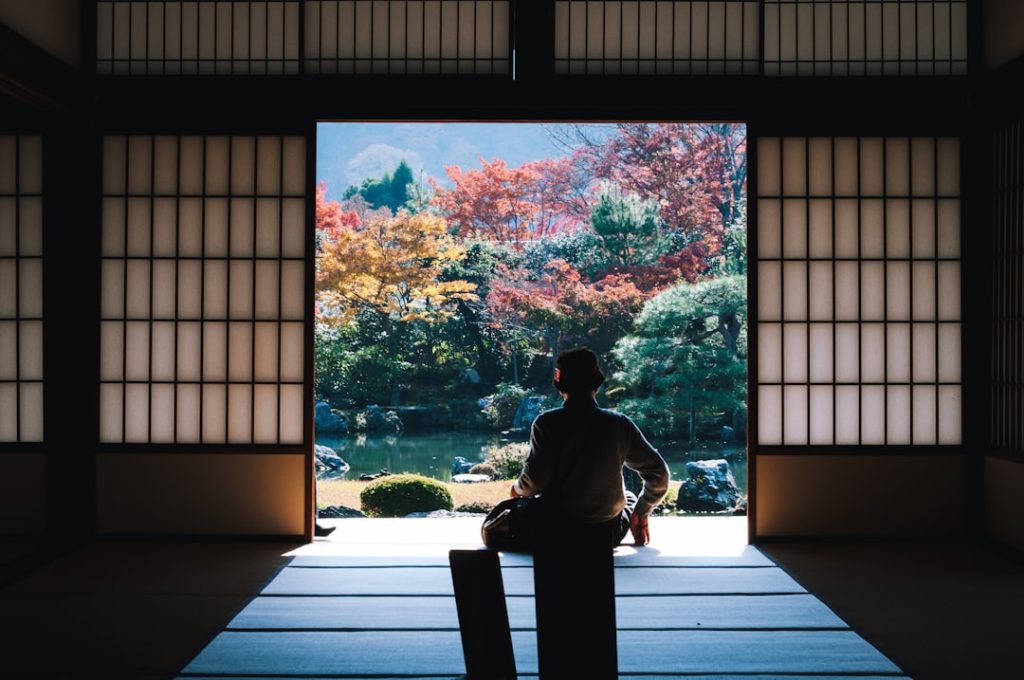
When it comes to selecting the perfect place to stay in Japan’s ancient capital, travelers face an enviable yet challenging decision. Kyoto’s hospitality landscape offers everything from centuries-old traditional inns to cutting-edge contemporary hotels, each providing a distinctly different lens through which to experience this culturally rich city.
The Timeless Appeal of Traditional Ryokans
In my opinion, nothing quite captures the essence of Japanese hospitality like a well-run ryokan. These traditional inns, with their tatami mat floors, sliding paper doors, and communal bathing facilities, offer an immersive cultural experience that modern hotels simply cannot replicate. The ritual of dining on kaiseki cuisine while seated on floor cushions, followed by sleeping on futon bedding, creates memories that last a lifetime.
However, I must be honest – ryokans aren’t for everyone. Travelers who struggle with sitting on the floor for extended periods or those who prefer the privacy of en-suite bathrooms might find the traditional experience more challenging than charming. The formal etiquette expected at many establishments can also feel restrictive to those seeking a more relaxed vacation atmosphere.
Contemporary Hotels: Comfort Meets Convenience
Modern luxury hotels in Kyoto have mastered the art of blending international standards with local aesthetics. These properties typically feature spacious rooms with Western-style beds, full-service spas, and multiple dining options that cater to diverse palates. What I find particularly appealing about these establishments is their ability to serve as comfortable bases for exploration while still incorporating elements of Japanese design and service philosophy.

Business travelers and families with young children will likely find contemporary hotels more practical for their needs. The reliable Wi-Fi, 24-hour room service, and familiar amenities remove potential stress from the travel equation. However, those seeking an authentic cultural immersion might feel somewhat disconnected from the local experience when staying in international-style accommodations.
Location Considerations That Matter
The neighborhood you choose can dramatically impact your Kyoto experience, and this is where I believe many travelers make crucial mistakes. Staying near major temples like Kiyomizu-dera or in the historic Gion district puts you at the heart of tourist activity, but it also means dealing with crowds and higher prices.
I personally recommend considering accommodations in quieter residential areas that still offer easy access to public transportation. The Nijo Castle vicinity or areas along the Keihan line provide excellent connectivity while maintaining a more authentic local atmosphere. Budget-conscious travelers will find better value in these locations, while luxury seekers can enjoy more space and exclusivity.
Seasonal Factors and Booking Strategy
Timing your Kyoto visit requires careful consideration, particularly when it comes to accommodation selection. Cherry blossom season and autumn foliage periods see dramatic price increases and limited availability. During these peak times, I believe the premium charged often isn’t justified by the experience, especially for first-time visitors who might be overwhelmed by the crowds.

Winter visits offer the best value proposition, with significantly lower rates and the opportunity to experience Kyoto’s temples dusted with snow – a sight I find far more magical than the Instagram-famous sakura shots. Summer can be oppressively humid, making air-conditioned modern hotels more appealing than traditional ryokans with limited climate control.
Who Should Choose What
Cultural enthusiasts and those celebrating special occasions will find ryokans provide unparalleled immersion into Japanese traditions. The personalized service and attention to detail justify the higher costs for travelers who prioritize experience over convenience.
Conversely, business travelers, families with teenagers, and those planning action-packed itineraries will benefit more from contemporary hotels’ efficiency and amenities. The ability to quickly grab breakfast and head out for sightseeing, or return late without disturbing other guests, makes practical sense for certain travel styles.
Ultimately, your choice should align with your travel priorities, physical comfort requirements, and cultural curiosity level. Both options offer pathways to memorable Kyoto experiences – the key is matching your selection to your personal travel philosophy.
Photo by Masaaki Komori on Unsplash
Photo by David Emrich on Unsplash