
Retail Footwear Chain Shows Promising Growth Despite Market Challenges
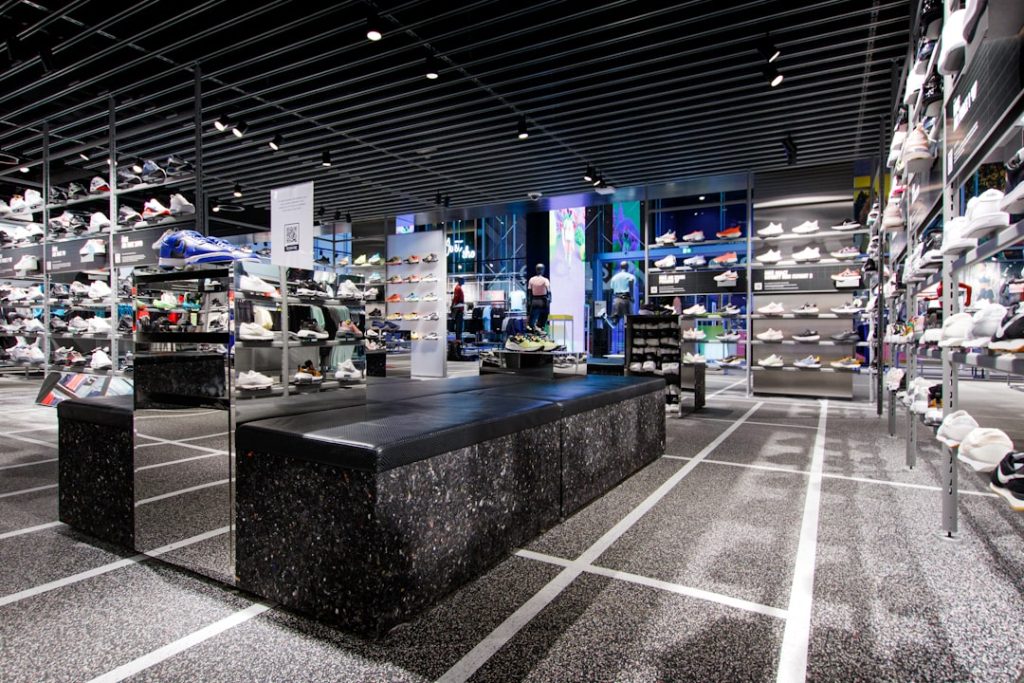
The footwear retail sector continues to demonstrate resilience, with one major player recently showcasing how strategic positioning and brand partnerships can drive meaningful results. I find it particularly interesting how companies are navigating the current retail landscape by focusing on specific demographic segments rather than trying to appeal to everyone.
Strategic Focus on Youth Demographics Pays Off
What strikes me most about this earnings report is the clear emphasis on capturing the teen girl market. This demographic represents a goldmine for retailers who understand their preferences, and I believe this focus is exactly what separates successful chains from struggling ones. The shift toward female consumers now representing over half of sales at their teen-focused stores demonstrates the power of targeted merchandising.
For investors and retail analysts, this trend should be encouraging. Companies that can successfully pivot their product mix and store experience to match evolving consumer preferences are positioning themselves for sustained growth. However, I think this strategy works best for retailers with the financial flexibility to invest in store renovations and marketing campaigns.
Celebrity Partnerships Drive Brand Recognition
The partnership with NFL Hall of Famer Peyton Manning for their premium men’s footwear brand represents a masterclass in strategic celebrity endorsements. I’m impressed by how this collaboration has boosted brand awareness, particularly among younger demographics who might not have previously considered the brand. The double-digit growth in new customer acquisition speaks volumes about the effectiveness of this approach.

This strategy won’t work for every retailer, though. Smaller chains or those with limited marketing budgets might find celebrity partnerships prohibitively expensive. The key is ensuring the celebrity genuinely aligns with your brand values and target audience – something this partnership appears to have achieved successfully.
Operational Efficiency Through Technology and Automation
The announcement of a substantial cost reduction program targeting $40-50 million in savings over the next few years caught my attention. I believe this represents a necessary evolution in retail operations, particularly as labor costs continue to rise and competition intensifies.
The focus on robotics and automation in distribution centers makes perfect sense from an efficiency standpoint. However, I’m somewhat concerned about the mention of reducing store employee hours. While cost-cutting is essential, retailers need to be careful not to compromise customer service quality in their pursuit of operational efficiency.
For retail executives, this approach offers a roadmap for balancing growth investments with operational discipline. The combination of technology upgrades and strategic cost management could become the standard playbook for successful retail operations.

International Market Challenges Require Patience
The struggles in the UK market highlight how different regional dynamics can impact even successful retail concepts. I think the company’s approach of prioritizing full-price selling over heavy discounting is the right long-term strategy, even if it means short-term pain.
What impresses me is their willingness to close underperforming locations rather than trying to prop up failing stores. This disciplined approach to portfolio management is exactly what investors should look for in retail operators. However, international expansion clearly isn’t for every retailer – it requires significant capital and patience to navigate different consumer behaviors and market conditions.
Looking Ahead: Sustainable Growth or Short-Term Gains?
The overall 3% increase in net sales to $487 million demonstrates steady progress, but I question whether this growth rate is sufficient in today’s competitive retail environment. The focus on back-to-school campaigns and loyalty program enhancements shows they understand the importance of customer retention, which I believe is crucial for long-term success.
For retail investors, this company represents an interesting case study in strategic transformation. The combination of demographic focus, celebrity partnerships, and operational efficiency could serve as a template for other struggling retailers. However, the success of these initiatives will ultimately depend on execution and the ability to maintain momentum in an increasingly challenging retail landscape.
The expansion of store renovations and the introduction of new shopping technologies suggest a company that’s investing in its future rather than just cutting costs. This balanced approach gives me confidence that they’re building sustainable competitive advantages rather than pursuing short-term financial engineering.
Photo by Craig Lovelidge on Unsplash
Photo by Alexander Faé on Unsplash