
The Natural Fiber Revolution: Why Raffia Is This Season’s Most Overrated Trend
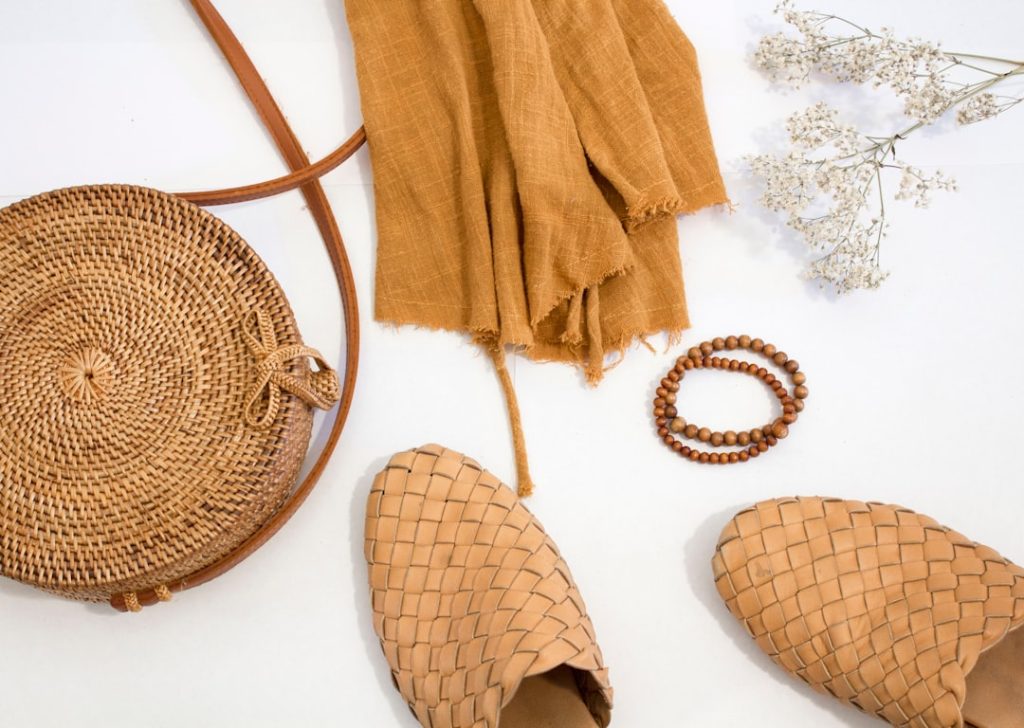
The fashion world’s obsession with raffia has reached fever pitch, and frankly, I think it’s time for a reality check. While natural fiber accessories have undeniably dominated runways and street style photography, the hype surrounding this woven palm material feels more manufactured than organic.
The current raffia craze traces its roots to iconic style moments from decades past, when French actresses paired woven basket bags with casual denim looks. This nostalgic appeal resurged dramatically during the spring 2021 fashion season, appearing prominently in collections from luxury Spanish leather goods house Loewe and minimalist New York label The Row.
What really amplified the trend was French designer Simon Porte Jacquemus’s theatrical spring 2023 presentation, where models strutted through artificial straw rain wearing oversized raffia hats. The spectacle was undeniably Instagram-worthy, but it also highlighted my main concern with this trend: it’s become more about performative fashion than practical style.

Who This Trend Actually Works For
Let me be clear about who benefits from the raffia movement. If you’re someone who spends summers in Mediterranean coastal towns or Scandinavian countryside retreats, these pieces make perfect sense. The trend has particularly resonated in Nordic countries, where extended daylight hours during July and August create ideal conditions for showcasing natural fiber accessories.
Contemporary brands like Tove and Hodakova have capitalized on this demand with raffia dresses that genuinely work for resort wear. Danish designers at Baum und Pferdgarten and MKDT Studio have also created compelling raffia footwear that serves a specific lifestyle need.
The Reality Check Most People Need
Here’s what the fashion press won’t tell you: raffia is incredibly impractical for most people’s actual lives. If you’re commuting on public transportation, working in air-conditioned offices, or living in urban environments, these pieces will likely collect dust in your closet after one or two wears.

The material is delicate, difficult to clean, and seasonally limiting. Unlike leather or canvas alternatives that improve with age, raffia accessories often look worn rather than weathered after regular use. For the average consumer investing in a statement bag or shoes, this represents poor value for money.
Street Style vs. Real Life
The disconnect between street style photography and everyday practicality has never been more apparent than with raffia pieces. What looks effortlessly chic in carefully curated photos often translates to costume-like appearances in regular settings.
I believe this trend primarily serves fashion influencers and photographers rather than actual consumers. The textural interest and seasonal symbolism make raffia perfect for content creation, but terrible for building a functional wardrobe.
My advice? If you’re drawn to natural textures and sustainable materials, invest in well-made linen, hemp, or organic cotton pieces instead. These alternatives offer similar aesthetic appeal with significantly more versatility and longevity. Save the raffia for vacation purchases you’ll actually use during beach holidays, rather than expensive investment pieces that will become seasonal decorations.
Photo by S O C I A L . C U T on Unsplash
Photo by Artem Bryzgalov on Unsplash
Photo by Artem Beliaikin on Unsplash