
The Truth About Hair Cutting Frequency: What Professional Stylists Really Recommend
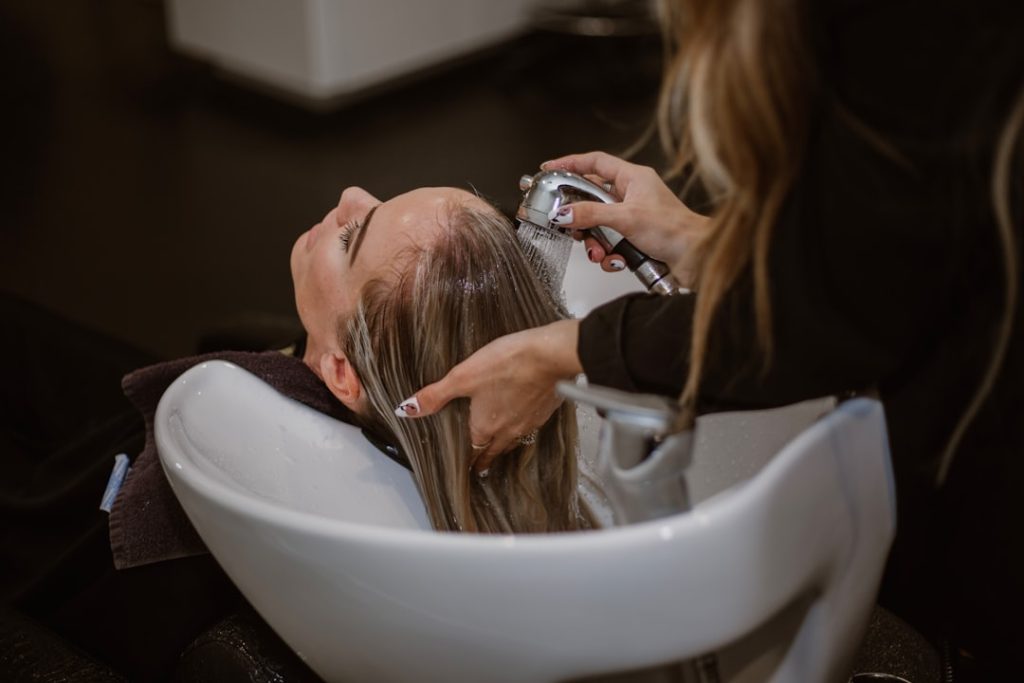
The question of how frequently to trim your hair has sparked countless debates in salons worldwide, and frankly, I think most people are approaching this completely wrong. After consulting with numerous professional stylists, it’s clear that the generic “every six weeks” advice is outdated and oversimplified.
In my opinion, the biggest mistake people make is treating all hair types the same. Professional colorists and stylists I’ve spoken with emphasize that cutting frequency should depend entirely on your individual hair characteristics, lifestyle, and goals. This one-size-fits-all mentality is doing more harm than good.
Hair Type Makes All the Difference
What I find most compelling is how dramatically hair texture affects maintenance needs. Fine, straight hair shows damage and uneven lengths much more readily than thick, curly hair. If you have fine hair, you’ll likely benefit from trims every 4-6 weeks to maintain shape and prevent that stringy, damaged appearance that fine hair is prone to developing.
Curly and textured hair, on the other hand, can often go 8-12 weeks between cuts. I believe this is because the natural texture camouflages minor imperfections, and over-trimming can actually disrupt curl patterns. This is particularly relevant for people with natural hair who are trying to retain length.
The Growth Goal Factor
Here’s where I think many people get confused: if you’re actively trying to grow your hair longer, frequent trims aren’t necessarily your friend. The traditional advice suggests regular trims promote growth, but this is scientifically inaccurate. Hair grows from the roots, not the ends.

For length retention, I’d recommend trimming only when you notice genuine damage – split ends, breakage, or excessive tangling. This might mean stretching appointments to 10-14 weeks, which goes against conventional salon wisdom but makes perfect sense for your wallet and your growth goals.
Chemical Processing Changes Everything
If you regularly color, bleach, or chemically process your hair, you’re in a completely different category. Processed hair becomes more fragile and prone to damage, requiring more frequent maintenance. I think people with heavily processed hair should consider trims every 4-6 weeks as an investment in their hair’s health, not just appearance.
What’s particularly important for this group is finding a stylist who understands chemical damage patterns. Not all stylists are equally skilled at working with compromised hair, and the wrong cut can actually accelerate damage.
Lifestyle and Styling Habits Matter
Your daily routine significantly impacts how often you should cut your hair, though this factor is often overlooked. If you frequently use heat styling tools, sleep on rough pillowcases, or tie your hair back tightly, you’re creating more mechanical damage that requires attention.
Conversely, if you air-dry regularly, use protective products, and treat your hair gently, you can likely extend time between appointments. I believe this is where personal honesty becomes crucial – assess your actual habits, not your ideal intentions.

Signs You Actually Need a Trim
Rather than following arbitrary timelines, I recommend watching for these specific indicators:
- Visible split ends that extend up the hair shaft
- Difficulty styling or maintaining your usual look
- Increased tangling or rougher texture
- Loss of shape in structured cuts
- Breakage that creates uneven lengths
These signs are far more reliable than calendar dates, and they’ll help you avoid unnecessary cuts that could impede your hair goals.
The Bottom Line on Professional Recommendations
What I find most valuable from professional stylists is their emphasis on individualized assessment. The best stylists I’ve encountered don’t push rigid schedules – they evaluate each client’s unique situation and adjust recommendations accordingly.
This approach benefits people who want to maintain their hair’s health without overspending or sacrificing length goals. However, it’s not ideal for those who prefer simple, universal rules or who don’t want to pay attention to their hair’s condition.
Ultimately, I believe the key is finding a skilled professional who prioritizes your hair’s health over appointment frequency. The right stylist will help you develop a maintenance schedule that serves your specific needs, not their booking calendar.
Photo by Lindsay Cash on Unsplash
Photo by Giorgio Trovato on Unsplash
Photo by Vinicius "amnx" Amano on Unsplash