
AI Chip Startup Groq Seeks $650M Funding Round as Hardware Market Shifts Focus
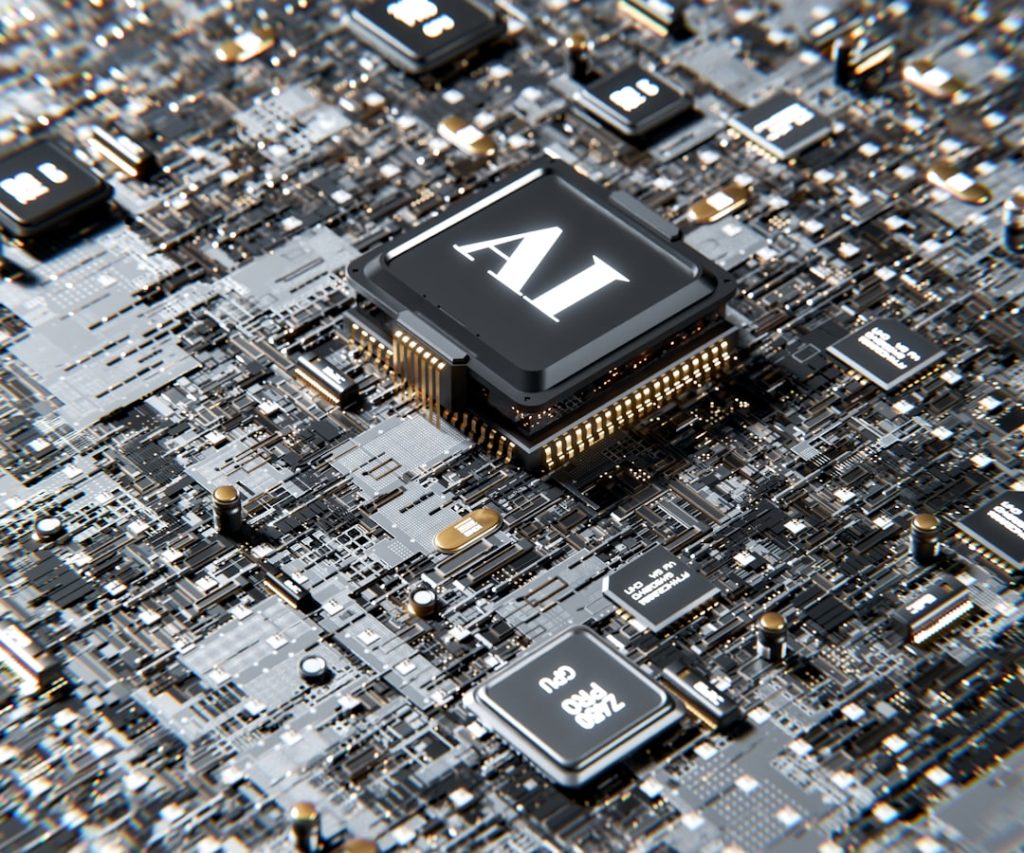
The artificial intelligence chip sector continues to experience significant financial activity, with hardware specialist Groq reportedly pursuing a substantial $650 million funding round. This development highlights the company’s strategic pivot toward AI inference technology, which focuses on optimizing how machine learning models process and respond to user queries.
In my view, this funding pursuit represents a smart strategic move for Groq. The AI inference market is becoming increasingly critical as companies move beyond simply training models to actually deploying them in real-world applications. This is where the real money lies in the AI ecosystem, and Groq appears to recognize this opportunity.
The timing of this fundraising effort is particularly noteworthy given the current market dynamics. Following recent major acquisitions in the semiconductor space, including significant talent acquisitions worth billions, smaller players like Groq are positioning themselves to capture market share in specialized AI processing.
The Strategic Shift Toward AI Inference
Groq’s pivot from traditional hardware manufacturing to AI inference specialization reflects broader industry trends. Inference processing – the computational work required when AI models generate responses to user prompts – represents a massive and growing market opportunity that I believe will define the next phase of AI commercialization.

This focus makes sense for several reasons. First, inference workloads are becoming the dominant computational demand as AI applications scale. Second, specialized inference chips can offer significant performance and efficiency advantages over general-purpose processors. Third, the market for inference solutions is less crowded than the training chip market, providing more room for innovative players.
Market Implications and Competitive Landscape
For investors and industry observers, Groq’s funding round signals continued confidence in specialized AI hardware despite market volatility. However, I think it’s important to note that this approach isn’t suitable for every company. The capital requirements are substantial, and the technical barriers to entry remain high.
Companies that would benefit most from Groq’s technology include those running large-scale AI applications requiring real-time responses – think financial services, autonomous vehicles, and enterprise software platforms. Conversely, smaller businesses or those with limited AI deployment needs probably won’t see immediate value from specialized inference solutions.
Who Should Pay Attention
This development is particularly relevant for:

- Enterprise technology leaders evaluating AI infrastructure investments
- Venture capital firms focused on semiconductor and AI hardware sectors
- Companies building AI-powered applications requiring low-latency responses
- Technology executives planning large-scale AI deployments
However, I believe this trend is less immediately relevant for small to medium-sized businesses that are just beginning their AI journey or consumer-focused applications with less demanding performance requirements.
The Broader Industry Context
What’s most interesting about Groq’s funding pursuit is how it reflects the maturing AI hardware market. We’re moving beyond the initial rush to build general-purpose AI chips toward more specialized solutions targeting specific use cases. This specialization trend, in my opinion, represents a healthy evolution of the industry.
The success or failure of this funding round will likely influence how other AI hardware startups approach their own growth strategies. If Groq successfully raises this capital, it could validate the inference-focused business model and encourage similar pivots across the industry.
Ultimately, while the $650 million figure is substantial, I think the real story here is about strategic positioning in a rapidly evolving market. Companies that can identify and capitalize on specific AI infrastructure needs – rather than trying to be everything to everyone – are likely to find the most success in this competitive landscape.
Photo by Igor Omilaev on Unsplash
Photo by Steve A Johnson on Unsplash
Photo by Milad Fakurian on Unsplash