
The Daily Peanut Butter Habit: What Nutrition Experts Really Think About This Popular Spread
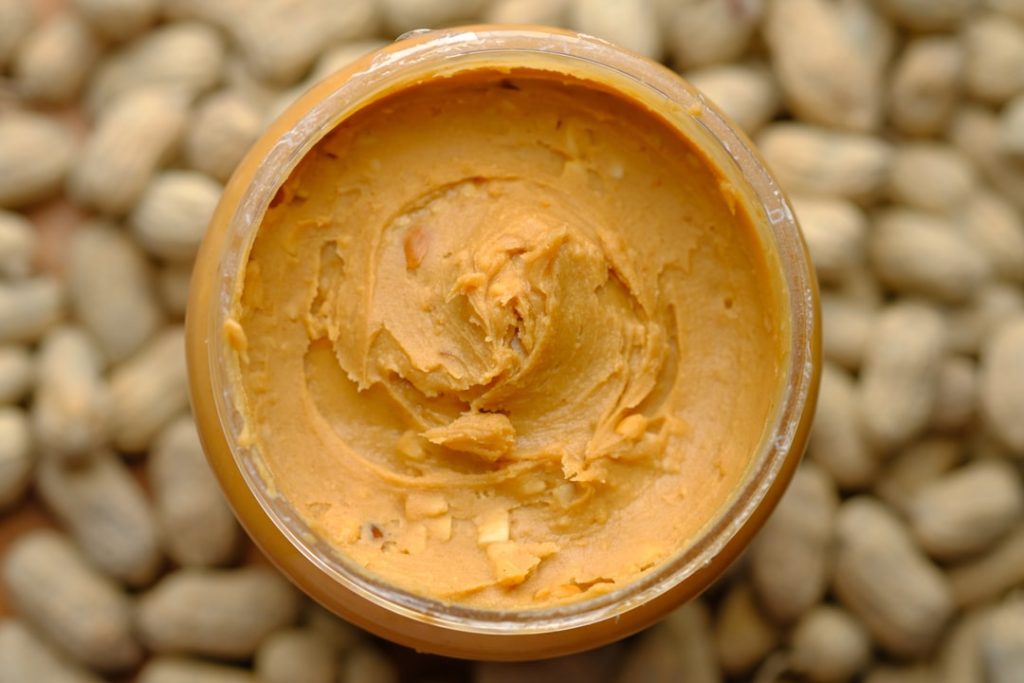
In my opinion, the debate around daily peanut butter consumption reveals a lot about how we approach nutrition in general. While this creamy spread has earned its reputation as a health food staple, I believe the reality is more nuanced than most people realize. For busy professionals and health-conscious individuals looking for convenient protein sources, understanding what actually happens when you make peanut butter a daily habit is crucial.
The Quality Question That Most People Ignore
Here’s what I think matters most: not all peanut butter is created equal, and this distinction is where most consumers go wrong. The mass-market varieties loaded with hydrogenated oils, excessive sugar, and preservatives are fundamentally different products than their natural counterparts. I’d argue that if you’re going to eat peanut butter daily, this choice between processed and natural versions will determine whether you’re helping or harming your health goals.
For parents trying to provide nutritious snacks or athletes seeking convenient fuel, I believe the ingredient list should be your primary concern. The best options contain nothing more than ground peanuts and perhaps a touch of salt. This matters because the additives in conventional varieties can counteract many of the potential benefits we’ll discuss.
Inflammation Control and Cellular Protection
What I find particularly compelling about regular peanut butter consumption is its potential impact on inflammation management. The stilbenes present in peanuts function as natural anti-inflammatory agents, which I believe makes this food especially valuable for individuals dealing with chronic stress or those in their 40s and beyond who are concerned about aging.
The phenolic compounds deserve attention too. In my view, these antioxidants represent one of peanut butter’s strongest selling points for daily consumption. They work to neutralize free radicals that would otherwise damage cellular structures. For people exposed to environmental toxins or those with high-stress lifestyles, I think this protective effect could be genuinely meaningful over time.

However, I must emphasize that this isn’t a magic bullet. Those expecting dramatic anti-aging results from peanut butter alone will likely be disappointed. The benefits are subtle and cumulative, which means this approach works best for people committed to long-term health optimization rather than quick fixes.
Cardiovascular Considerations
The phytosterol content presents an interesting case for heart health support. These compounds may help reduce cholesterol absorption, which I believe makes daily peanut butter consumption potentially beneficial for individuals with family histories of cardiovascular disease or those already managing elevated cholesterol levels.
That said, I think people with existing heart conditions should approach this cautiously. The caloric density of peanut butter means portion control becomes critical, and those struggling with weight management might find that daily consumption works against their cardiovascular goals if not carefully monitored.
Hormonal Balance and Women’s Health
I find the hormonal aspects particularly relevant for women navigating reproductive health challenges. The lignans in peanuts offer a gentler form of phytoestrogen support compared to soy products, which I believe makes them suitable for women who want hormonal support without the intensity that some experience with other phytoestrogen sources.
For women in perimenopause or dealing with PMS symptoms, I think daily peanut butter consumption could provide subtle but meaningful support. However, this isn’t a replacement for comprehensive hormonal health strategies, and women with severe hormonal imbalances shouldn’t rely solely on dietary interventions.

Bone Health and Metabolic Support
The isoflavonoid content offers potential bone health benefits that I believe are particularly relevant for postmenopausal women and older adults. These compounds may help maintain bone density by mimicking some of estrogen’s protective effects on skeletal health.
From a metabolic perspective, the fiber content helps with blood sugar regulation and satiety. I think this makes daily peanut butter consumption potentially beneficial for people managing diabetes or those trying to maintain stable energy levels throughout the day. However, the high caloric content means this strategy works best for individuals who can accurately track their overall caloric intake.
Who Should Consider Daily Consumption
In my assessment, daily peanut butter consumption makes the most sense for active individuals who need convenient, calorie-dense nutrition sources. Athletes, busy professionals who struggle with meal timing, and people trying to gain healthy weight could all benefit from this approach.
I also think it’s valuable for older adults who may struggle with protein intake or those following plant-based diets who need reliable protein sources. The convenience factor cannot be understated for people with demanding schedules.
Who Should Proceed with Caution
However, I believe daily peanut butter consumption isn’t appropriate for everyone. Those trying to lose weight may find the caloric density challenging to manage. People with nut allergies obviously need to avoid this entirely, and individuals with digestive sensitivities might experience issues with daily consumption.
I’d also caution those with a history of disordered eating, as the palatability of peanut butter can make portion control difficult for some individuals.
The Bottom Line on Daily Consumption
My overall perspective is that daily peanut butter consumption can be a healthy choice when done thoughtfully. The key factors are choosing high-quality products, maintaining appropriate portions, and ensuring it fits within your overall nutritional strategy. For the right person, the convenience, nutritional density, and potential health benefits make it a worthwhile daily addition. However, it’s not a necessity, and those who don’t enjoy it or struggle with portion control shouldn’t feel compelled to include it in their routine.
Photo by Towfiqu barbhuiya on Unsplash
Photo by The Design Lady on Unsplash