
Essential Summer Salad Collection: Fresh Ideas for Hot Weather Dining
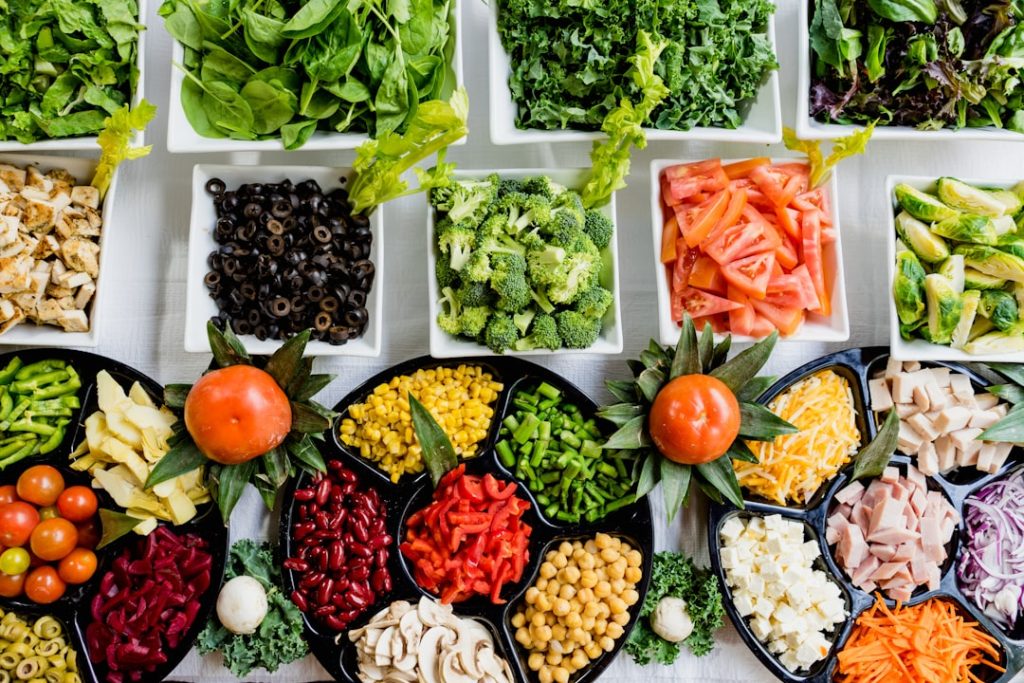
When temperatures soar and appetites shift toward lighter fare, salads become the cornerstone of smart summer dining. I believe there’s nothing quite like a well-crafted salad to beat the heat while delivering satisfying nutrition and vibrant flavors that celebrate the season’s best ingredients.
Why Summer Salads Matter More Than You Think
Let me be clear about something: summer salads aren’t just about eating light. They’re about embracing a cooking philosophy that prioritizes freshness, minimal heat in the kitchen, and maximum flavor impact. For busy professionals who dread turning on the oven during sweltering afternoons, salads offer a practical solution that doesn’t compromise on taste or satisfaction.
I’ve found that people often underestimate the complexity and creativity possible with salad-making. This isn’t about throwing lettuce in a bowl – we’re talking about composed dishes that can serve as complete meals, impressive entertaining options, and meal-prep champions that actually improve over time.
Who Benefits Most from Summer Salad Mastery
In my experience, certain groups absolutely thrive with an expanded salad repertoire. Health-conscious families find these recipes invaluable for incorporating more vegetables without the usual dinner table negotiations. Entertaining enthusiasts discover that colorful, Instagram-worthy salads become conversation starters at gatherings.
However, I’ll be honest – if you’re someone who considers iceberg lettuce the pinnacle of salad ingredients, or if you’re feeding teenagers who revolt at anything green, you might need to ease into this gradually. The key is finding gateway recipes that bridge familiar flavors with more adventurous combinations.

Strategic Ingredient Categories That Actually Work
What I love about summer salad construction is the logical framework behind seemingly random combinations. Protein-forward salads work brilliantly for those transitioning from heavier winter meals – think grilled chicken, hard-boiled eggs, or chickpeas that provide staying power.
Grain-based foundations like quinoa, farro, or orzo create heartier options that satisfy without weighing you down. These are particularly valuable for meal preppers since grains actually absorb dressing flavors beautifully over time.
For the produce-forward approach, I recommend focusing on seasonal stars – tomatoes at their peak, crisp cucumbers, sweet corn, and stone fruits that add unexpected sweetness. The mistake many people make is trying to force winter vegetables into summer salads when nature has already provided the perfect palette.
Dressing Strategies That Transform Everything
Here’s where most home cooks miss the mark: they treat dressing as an afterthought rather than the flavor foundation. I believe mastering three basic dressing styles – vinaigrettes, creamy bases, and herb-forward sauces – unlocks endless possibilities.
Vinaigrettes work best for delicate greens and fruit combinations. Creamy dressings complement heartier ingredients like roasted vegetables or proteins. Herb-heavy sauces like chimichurri or pesto create bold flavor profiles that make vegetables the star rather than supporting players.

Make-Ahead Magic for Busy Schedules
The beauty of summer salads lies in their meal-prep potential, though this requires strategic thinking. Components like grains, roasted vegetables, and proteins can be prepared in batches. Sturdy greens like kale or cabbage actually improve with time when dressed, while delicate lettuces should be added just before serving.
I particularly appreciate salads that incorporate elements like nuts, seeds, or cheese that add textural interest and prevent the monotony that kills many healthy eating efforts. These additions transform simple vegetables into satisfying meals that don’t leave you reaching for snacks an hour later.
Who Should Skip This Approach
Let’s be realistic – if you’re dealing with extremely picky eaters, food allergies that eliminate major ingredient categories, or genuinely prefer hot meals regardless of weather, forcing a salad-heavy summer menu won’t serve you well. The goal is enjoyable, sustainable eating patterns, not dietary martyrdom.
Similarly, if your local produce options are limited or you’re working with a very tight budget, some of these recipes might feel more aspirational than practical. Focus on simple combinations using affordable, accessible ingredients rather than chasing exotic components.
The real value in expanding your summer salad repertoire lies in developing confidence with fresh ingredients and understanding how flavors work together. Once you grasp these fundamentals, you’ll find yourself creating satisfying meals that celebrate the season while keeping your kitchen – and yourself – cool and comfortable.