
Emergency Meal Solutions: Creating Delicious Dishes from Pantry Staples
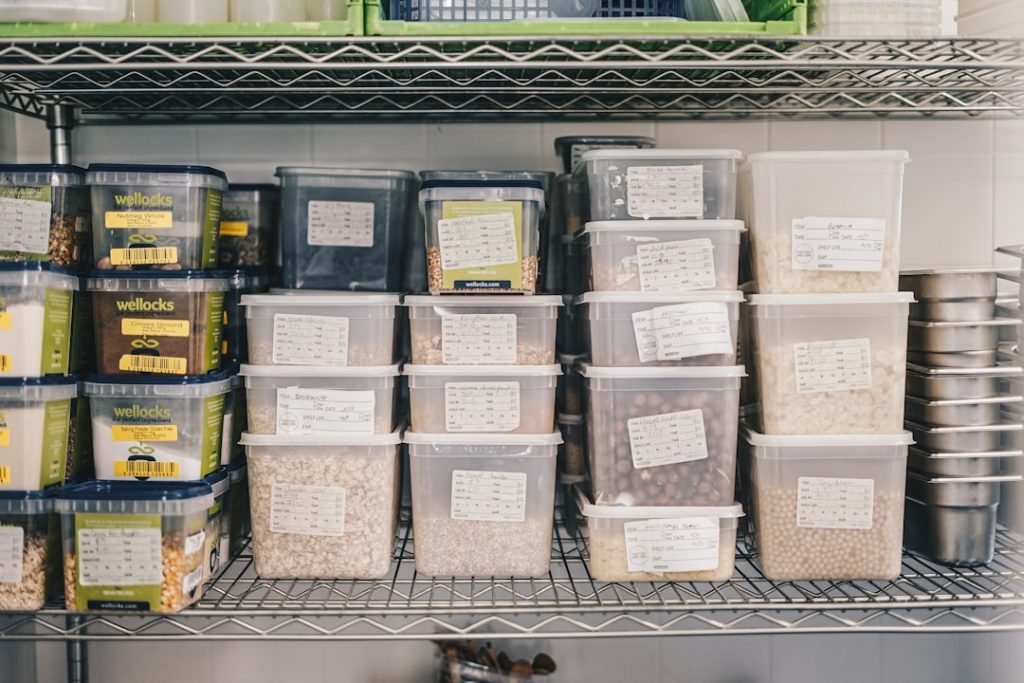
We’ve all been there – standing in front of an nearly empty refrigerator, wondering how to conjure up a satisfying meal from what seems like nothing. In my experience, these moments of culinary desperation often lead to the most creative and resourceful cooking. The truth is, you don’t need a fully stocked fridge to create something delicious.
I believe this situation is actually a blessing in disguise for home cooks who want to develop their improvisational skills. It forces you to think beyond recipes and tap into fundamental cooking techniques. However, this approach definitely isn’t for everyone – if you’re someone who needs detailed instructions and prefers following exact measurements, you might find this stressful rather than liberating.
The Art of Pantry Cooking
What I find fascinating about cooking with limited ingredients is how it strips away the complexity that often intimidates people in the kitchen. When you’re working with just a few basic items, you’re forced to focus on technique and flavor combinations rather than getting overwhelmed by elaborate ingredient lists.
This type of cooking is perfect for busy professionals, college students, or anyone trying to stretch their grocery budget. It’s also invaluable for parents who need to feed their families when unexpected situations arise. On the flip side, if you’re someone who enjoys elaborate dinner parties or complex flavor profiles, these simple approaches might feel too restrictive for your culinary ambitions.

Essential Pantry Staples That Save the Day
In my opinion, certain ingredients are absolute game-changers when it comes to emergency cooking. Eggs, for instance, are incredibly versatile – they can become a frittata with whatever vegetables you have on hand, or transform into a simple pasta carbonara with just some cheese and black pepper.
Rice and pasta serve as excellent foundations that I think every household should maintain. These carbohydrates can stretch small amounts of protein or vegetables into filling meals. What matters most is understanding how to season and prepare these basics properly, not having exotic ingredients.
Quick Solutions for Common Scenarios
When I encounter the classic “empty fridge” situation, I focus on combinations that maximize flavor with minimal ingredients. A simple fried rice using leftover rice, any vegetables lurking in your crisper drawer, and a beaten egg creates a satisfying meal that feels intentional rather than desperate.
For those who benefit most from this approach, it’s people who appreciate flexibility and creativity in cooking. Students living in dorms with limited cooking facilities will find these techniques particularly valuable. However, families with young children who are picky eaters might struggle with the unpredictable nature of these improvised meals.

Building Flavor Without Fresh Ingredients
What I’ve learned over years of cooking is that dried herbs, spices, and condiments can transform the blandest ingredients into something memorable. A can of beans becomes exciting with cumin, paprika, and a splash of vinegar. Plain pasta gains character with garlic powder, red pepper flakes, and a drizzle of olive oil.
This technique particularly benefits people who want to develop their palate and understanding of how flavors work together. It’s less useful for those who prefer consistent, predictable meals or who haven’t yet developed confidence in seasoning food.
The Psychology of Resourceful Cooking
I believe there’s something deeply satisfying about creating a meal from seemingly nothing. It connects us to earlier generations who couldn’t simply order takeout when the cupboards looked bare. This type of cooking builds confidence and reduces food waste, two outcomes that benefit both your wallet and the environment.
The people who thrive in these situations are usually those who enjoy problem-solving and don’t mind a bit of uncertainty in their cooking process. Conversely, individuals who find cooking stressful or who rely heavily on visual guides and step-by-step instructions might find this approach anxiety-inducing rather than empowering.
Ultimately, I think learning to cook with limited ingredients is a valuable skill that makes you a more versatile and confident cook overall. Even if you prefer elaborate meals most of the time, having these techniques in your back pocket ensures you’ll never truly be without options in the kitchen.
Photo by Ambitious Studio* | Rick Barrett on Unsplash
Photo by Zac Gudakov on Unsplash
Photo by Max Nayman on Unsplash